27 Best High Protein Vegan Foods for a Healthy Diet
Protein is an important part of a balanced diet, but finding enough plant-based protein can sometimes seem confusing. The good news is that many everyday high-protein vegan foods, including lentils, beans, tofu, tempeh, and seeds, can provide plenty of protein.
In this guide, you’ll learn why protein matters, how much you may need each day, how plant and animal proteins differ, and how vegans can meet their protein needs through a varied diet.
You’ll also find ideas for low-calorie, low-fat, and low-carb options, plus high-protein vegan recipes.
Why Protein Important?
Protein helps your body build and repair muscles, skin, organs, and other tissues. It also supports enzymes, hormones, immune function, and many everyday processes. Including high protein vegan foods in your diet can help you get enough protein while enjoying a variety of plant-based meals.
Protein can also help you feel satisfied after meals. Including beans, lentils, tofu, tempeh, nuts, seeds, and whole grains can make vegan meals more filling. High protein vegan foods can be especially useful when planning balanced meals around your daily protein needs.
For active people, protein becomes especially important because regular exercise increases the need to repair and maintain muscle tissue.
How Much Protein Do We Need Daily?
Protein needs vary according to body weight, age, activity level, health status, and other factors. For healthy adults, the commonly used U.S. Recommended Dietary Allowance is 0.8 grams of protein per kilogram of body weight per day.
Including a variety of high-protein vegan foods can help you meet your daily protein needs. For example, a 70-kg adult would need about 56 grams of protein per day based on that reference value.
People who exercise regularly, older adults, pregnant or breastfeeding individuals, and people recovering from illness may have different needs.
Rather than focusing on one meal, spread protein-rich foods throughout the day. A breakfast with tofu or fortified soy milk, a bean-based lunch, and a lentil or tempeh dinner can provide a steady supply of high-protein vegan foods throughout the day.
Reference: How much protein should I eat?
Difference Between Vegan and Animal Protein:
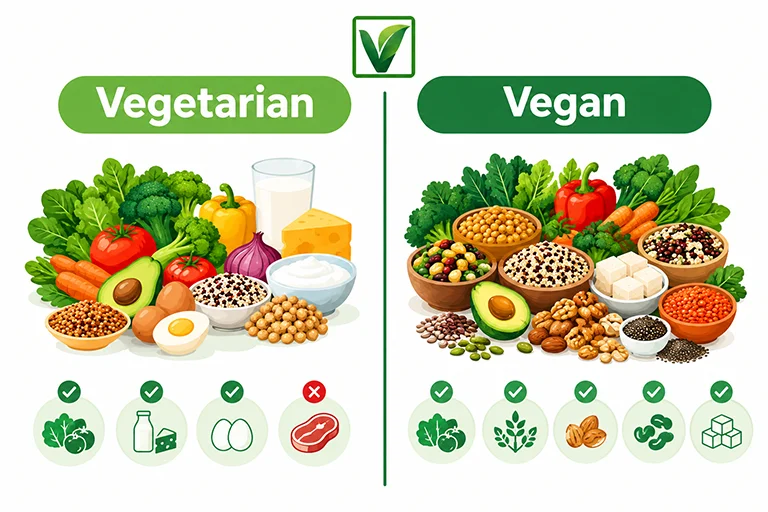
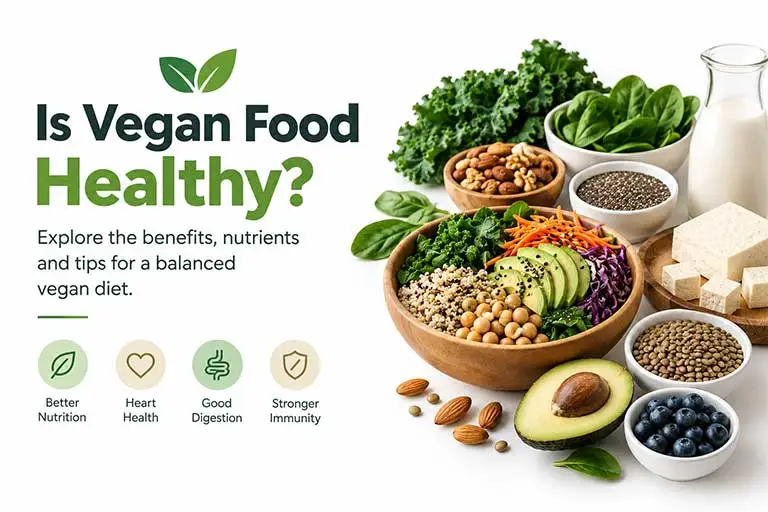
Both plant and animal foods can provide protein, but they differ in their amino acid profiles and the other nutrients they contain. High protein vegan foods can provide protein along with a range of nutrients that support a balanced plant-based diet.
Many animal proteins, including eggs, dairy, fish, and meat, provide all nine essential amino acids in amounts the body needs. These are often called complete proteins.
Some plant proteins have lower amounts of one or more essential amino acids. However, foods such as soy, quinoa, and some other plant sources provide all essential amino acids. Many high protein vegan foods, including soy foods, quinoa, lentils, and beans, can contribute to overall protein intake.
Plant foods also offer fiber, vitamins, minerals, antioxidants, and other beneficial compounds that are generally limited or absent in animal foods.
You do not need to combine specific plant proteins at every meal. Eating a varied diet throughout the day can provide the essential amino acids your body needs, while including different high-protein vegan foods can help add variety to your meals.
How Do Vegans Get Protein?
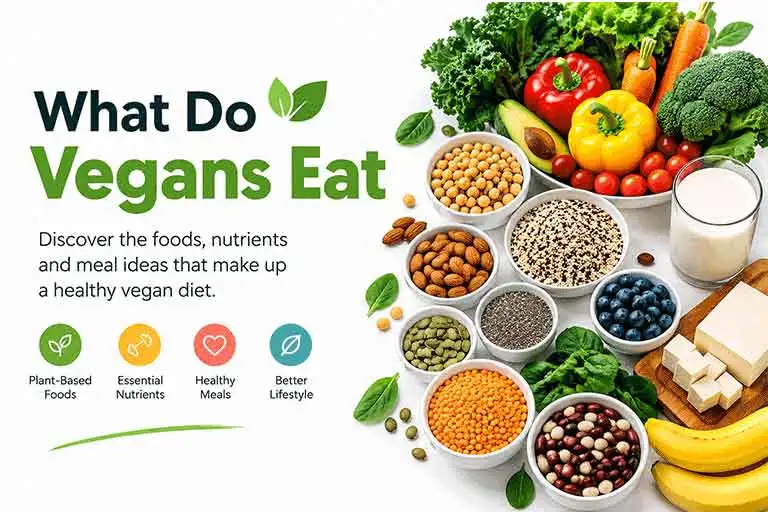
Vegans can get protein from a wide range of foods. Legumes are especially useful because beans, lentils, chickpeas, and peas provide both protein and fiber. These high-protein vegan foods can be used in soups, salads, curries, wraps, and grain bowls.
Soy foods are another excellent option. Tofu, tempeh, edamame, and soy milk can easily fit into breakfast, lunch, dinner, or snacks.
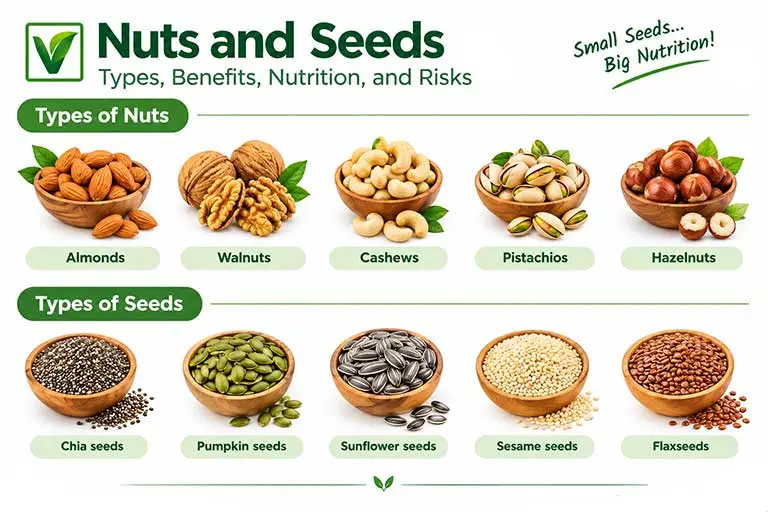
Nuts and seeds also contribute protein. Almonds, peanuts, pumpkin seeds, chia seeds, hemp seeds, and sunflower seeds can be added to oatmeal, salads, smoothies, or grain bowls.
Whole grains can add more protein to meals. Quinoa, oats, brown rice, whole-wheat pasta, and other grains can complement legumes and vegetables. Combining these foods with other high-protein vegan foods can make it easier to create varied and satisfying plant-based meals.
Sources of High Protein Vegan Food:
Many plant-based foods can provide a substantial amount of protein. The best approach is to include a variety of legumes, soy foods, grains, seeds, nuts, and other protein-rich foods throughout the day. Here are some of the most useful high-protein vegan foods, along with their approximate protein content per 100 g.
1. TVP (Textured Vegetable Protein)
Textured vegetable protein (TVP) is made from soy flour and is one of the most concentrated vegan protein sources. It works well in tacos, curries, pasta sauces, and other savory dishes.
Protein: approximately 50 g per 100 g (dry)
2. Seitan
Seitan is made primarily from wheat gluten and has a firm, meat-like texture. It can be grilled, stir-fried, baked, or added to sandwiches and wraps.
Protein: approximately 25 g per 100 g
3. Tofu
Tofu is made from soybeans and provides a versatile source of plant protein. Firm tofu generally contains more protein than softer varieties and works well in stir-fries, salads, curries, and bowls.
Protein: approximately 8–17 g per 100 g
4. Tempeh
Tempeh is a fermented soybean food with a firm texture and nutty flavor. It can be sliced, baked, grilled, or added to stir-fries.
Protein: approximately 19–20 g per 100 g
5. Edamame
Edamame refers to young soybeans that are commonly eaten boiled or steamed. They can be added to salads, rice bowls, soups, and stir-fries.
Protein: approximately 11–12 g per 100 g
6. Legumes
Legumes include beans, lentils, chickpeas, and peas. They are important sources of both protein and dietary fiber and can easily become part of everyday vegan meals.
Protein: approximately 7–9 g per 100 g cooked
7. Nutritional Yeast
Nutritional yeast is a deactivated yeast commonly used to add a savory, cheesy flavor to plant-based meals. Protein levels vary considerably between brands.
Protein: approximately 40–50 g per 100 g
8. Green Peas
Green peas provide plant protein along with fiber and several vitamins and minerals. They can be added to rice, soups, curries, salads, and vegetable dishes.
Protein: approximately 5–6 g per 100 g cooked
9. Spirulina
Spirulina is a blue-green algae often sold as a powder. Because it is highly concentrated, people usually consume it in small amounts rather than as a main protein source.
Protein: approximately 55–60 g per 100 g dry
10. Chickpeas
Chickpeas are a versatile legume that can be used in hummus, salads, curries, soups, and grain bowls. They provide both protein and fiber.
Protein: approximately 8–9 g per 100 g cooked
11. Quinoa
Quinoa is a protein-rich whole grain-like seed that can replace rice in many meals. It also provides fiber and a range of minerals.
Protein: approximately 4–5 g per 100 g cooked
12. Amaranth
Amaranth is a nutritious pseudograin that can be cooked as a porridge or used in grain-based dishes. It provides more protein than many commonly eaten grains.
Protein: approximately 4 g per 100 g cooked
13. Buckwheat
Despite its name, buckwheat is not a type of wheat and is naturally gluten-free. Cooked buckwheat can be served as a grain alternative in bowls, salads, and savory meals.
Protein: approximately 3–4 g per 100 g cooked
14. Oats
Oats are a convenient breakfast food that provides a moderate amount of protein. Adding soy milk, peanut butter, chia seeds, or hemp seeds can significantly increase the protein content of an oat-based meal.
Protein: approximately 13 g per 100 g dry
15. Soy Milk
Soy milk is one of the more protein-rich plant milks and can be used in smoothies, oatmeal, cereals, coffee, and cooking.
Protein: approximately 3–4 g per 100 g
16. Baked Beans
Baked beans are usually made with beans in a tomato-based or seasoned sauce. They provide protein and fiber and can be served with whole-grain toast, potatoes, or vegetables.
Protein: approximately 5 g per 100 g
17. Brown Rice
Brown rice provides some protein while also supplying complex carbohydrates and fiber. Pairing it with beans, lentils, tofu, or tempeh creates a more protein-rich meal.
Protein: approximately 2–3 g per 100 g cooked
18. Nuts
Nuts such as almonds, peanuts, pistachios, and cashews contain protein along with healthy fats. Because they are calorie-dense, moderate portions work well in a balanced diet.
Protein: approximately 15–26 g per 100 g, depending on the nut
19 Cashew Nuts
Cashews provide plant protein, healthy fats, copper, magnesium, and other nutrients. They can be eaten as a snack or added to sauces, salads, and stir-fries.
Protein: approximately 18 g per 100 g
20. Peanuts
Peanuts are technically legumes, although they are commonly grouped with nuts. They provide a good amount of protein and can be eaten whole or as peanut butter.
Protein: approximately 25–26 g per 100 g
21. Hemp Seeds
Hemp seeds are small but nutrient-dense seeds that provide protein and healthy fats. They can be sprinkled over oatmeal, salads, smoothies, and plant-based yogurt.
Protein: approximately 31–33 g per 100 g
22. Lentils
Lentils are one of the most practical high-protein vegan foods. They work well in soups, curries, salads, dals, and grain bowls.
Protein: approximately 9 g per 100 g cooked
23. Chia Seeds
Chia seeds provide protein, fiber, and omega-3 fatty acids. They can be added to smoothies, oatmeal, overnight oats, and chia pudding.
Protein: approximately 16–17 g per 100 g
24. Pumpkin Seeds
Pumpkin seeds are a concentrated source of plant protein, healthy fats, magnesium, and other minerals. Add them to salads, cereals, oatmeal, or homemade snack mixes.
Protein: approximately 30 g per 100 g
25. Spelt
Spelt is an ancient type of wheat that can be used in breads, cereals, and grain-based dishes. It provides a moderate amount of protein along with carbohydrates and fiber.
Protein: approximately 14–15 g per 100 g dry
26. Vegetables
Most vegetables are not as protein-dense as legumes, soy foods, seeds, or nuts, but they can still contribute to daily protein intake. Broccoli, spinach, asparagus, Brussels sprouts, and mushrooms are useful additions to balanced vegan meals.
Protein: approximately 2–4 g per 100 g, depending on the vegetable
27. Vegan Protein Powder
Vegan protein powders are usually made from sources such as peas, soy, rice, or a combination of plant proteins. They can be useful when someone needs a convenient way to increase protein intake.
Protein: approximately 60–80 g per 100 g, depending on the product
Note: Protein values are approximate. Actual amounts can vary significantly by variety, brand, cooking method, and whether a food is measured dry or cooked.
Foods such as TVP, oats, spelt, seeds, and protein powders contain much more protein per 100 g when measured in their dry form than after preparation.
Low Calorie High Protein Vegan Foods:
If you want to increase protein without adding too many calories, focus on foods that provide a good amount of protein relative to their calorie content. Legumes, soy foods, and some vegetables can work well in balanced meals.
Tofu is a versatile option that can be grilled, baked, or added to stir-fries. Choose firm tofu and check the nutrition label because protein and calorie levels vary between brands.
Edamame provides protein, fiber, and other nutrients while remaining relatively moderate in calories. It makes a convenient snack or addition to salads, rice bowls, and stir-fries.
Lentils are another useful choice because they provide plant protein and fiber. A serving of cooked lentils can make soups, curries, salads, and grain bowls more filling.
Green peas provide protein along with fiber and carbohydrates. They work well as an addition to vegetable dishes, soups, rice, and pasta.
Seitan can also provide a high amount of protein with relatively few calories compared with many higher-fat protein sources. However, it is made from wheat gluten and is not suitable for people who need to avoid gluten.
Other options include chickpeas, beans, soy milk, and protein-rich vegetables. For the lowest-calorie approach, portion size and the way food is prepared matter just as much as the food itself.
Low Fat High Protein Vegan Foods:
Low-fat high protein vegan foods can help people increase protein while keeping dietary fat relatively moderate. Good choices include legumes, some soy products, seitan, and certain plant-based protein products.
Lentils, chickpeas, black beans, kidney beans, and other legumes are naturally low in fat and provide protein and fiber. They can form the base of soups, curries, salads, and grain bowls.
Seitan is another high-protein option that is naturally very low in fat. It can be used as a meat substitute in sandwiches, wraps, stir-fries, and other savory meals.
Edamame and tofu provide protein from soybeans. Their fat content can vary, so checking the nutrition label can help when following a specifically low-fat eating pattern.
Green peas and other vegetables can also contribute protein without adding much fat. Combining them with lentils, beans, or grains can create a more satisfying meal.
If you want to keep a meal low in fat, pay attention to added oils, coconut milk, nut butters, nuts, and seeds. These foods can be nutritious, but they contain considerably more fat than legumes and many vegetables.
Low Carb High Protein Vegan Foods:
Finding high-protein vegan foods that are also low in carbohydrates requires more careful food selection. Many traditional plant protein sources, such as beans, lentils, and whole grains, contain both protein and carbohydrates.
Seitan can be a useful choice because it provides a high amount of protein with relatively little carbohydrate. It can be grilled, baked, or added to salads and stir-fries.
Tofu is another versatile option with relatively low carbohydrate content. Use it in stir-fries, salads, soups, or baked dishes for an easy plant-based protein source.
Tempeh contains more protein and fat than many legumes and is relatively low in carbohydrates. It can be sliced and cooked as part of a protein-rich meal.
Edamame provides protein, fiber, and carbohydrates, but its carbohydrate content is generally moderate. It can be used in salads, bowls, soups, or eaten as a snack.
Unsweetened soy milk can also fit into some lower-carbohydrate vegan diets. Always check the nutrition label because flavored and sweetened varieties may contain substantially more carbohydrates.
Nuts and seeds such as hemp seeds, pumpkin seeds, and chia seeds provide protein with relatively low net carbohydrate content, but they are also calorie-dense. Portion size is therefore important.
Important: The carbohydrate content of plant foods can also vary by brand, preparation, and serving size. If you are following a medically prescribed diet, use the nutrition label and guidance from your healthcare professional when choosing foods.
Best High-Protein Vegan Recipes:
Eating vegan does not mean giving up satisfying, protein-rich meals. With ingredients such as lentils, tofu, tempeh, beans, peas, oats, and chia seeds, you can create flavorful meals that support your daily protein intake.
In this section, you’ll find a variety of high-protein vegan recipes for breakfast, lunch, dinner, snacks, and side dishes. These ideas are simple enough for everyday cooking and flexible enough to suit different tastes.
1. Zuppa Toscana
Vegan Zuppa Toscana is a comforting soup made with ingredients such as potatoes, beans, plant-based sausage, kale, and a creamy dairy-free base. Beans and vegan sausage can add a useful protein boost.
Serve it with whole-grain bread for a filling lunch or dinner. You can also add white beans or lentils for even more plant protein.
2. Vegan Breakfast Sandwich
A vegan breakfast sandwich can provide a protein-rich start to the day. Try combining tofu, tempeh, vegan sausage, or a plant-based egg alternative with whole-grain bread.
Add spinach, tomato, avocado, or other vegetables for extra flavor and nutrients. A tofu-based filling works particularly well for a simple homemade version.
3. Berry Chia Pudding
Berry chia pudding makes an easy breakfast or snack with a naturally creamy texture. Chia seeds provide protein, fiber, and plant-based omega-3 fats.
Mix chia seeds with unsweetened soy milk and berries, then refrigerate until thick. Adding hemp seeds or a small amount of vegan protein powder can increase the protein content.
4. Bananas and Cream Oatmeal
Oatmeal becomes more protein-rich when you combine it with soy milk, chia seeds, hemp seeds, or peanut butter. Bananas add natural sweetness and a creamy texture.
For a balanced breakfast, top your oatmeal with berries, nuts, and seeds. Choose unsweetened soy milk if you want to keep the added sugar low.
5. Easy Dhal Recipe
Dhal is a simple South Asian dish made primarily with lentils and spices. Lentils provide plant protein and fiber, making dhal a practical choice for a vegan meal.
Serve it with brown rice, whole-grain roti, or vegetables. Adding spinach, tomatoes, or peas can make the meal even more nutritious.
6. Mung Bean Soup
Mung bean soup combines protein-rich mung beans with vegetables, herbs, and warming spices. The beans become tender as they cook, creating a hearty and satisfying soup.
You can add carrots, tomatoes, spinach, celery, or other vegetables. Serve it with a small portion of whole grains for a complete meal.
7. Vegan Macaroni Salad
Vegan macaroni salad can become more protein-rich when you add chickpeas, green peas, or edamame. Use a plant-based dressing made with ingredients such as vegan yogurt or tahini.
For more protein, choose pasta made from chickpeas, lentils, or other legumes. This simple swap can make a familiar side dish more filling.
8. Lentil Salad Recipe
Lentil salad is an easy way to combine protein, fiber, vegetables, and fresh flavors in one bowl. Cooked lentils pair well with cucumber, tomatoes, onions, parsley, and a lemon-based dressing.
Add quinoa, pumpkin seeds, or chickpeas when you want a more substantial meal. It also works well as a make-ahead lunch.
9. Green Pea Pasta Salad
Green pea pasta salad combines pasta with sweet green peas and fresh vegetables. Peas contribute plant protein, while pasta provides carbohydrates for energy.
For a higher-protein version, use chickpea or lentil pasta. Add a lemon-herb dressing and fresh vegetables for a light but satisfying meal.
10. Maple Mustard Tempeh
Maple mustard tempeh combines the nutty flavor of tempeh with a sweet and tangy sauce. Tempeh is a concentrated soy food that provides a substantial amount of plant protein.
Serve it with roasted vegetables, brown rice, quinoa, or a fresh salad. It also works well in sandwiches and grain bowls.
11. Vermicelli Noodle Bowl
A vermicelli noodle bowl can combine rice noodles with tofu, edamame, vegetables, herbs, and a flavorful dressing. Tofu and edamame make the bowl more protein-rich.
Add carrots, cucumber, cabbage, peppers, and fresh herbs for color and crunch. Use a soy-based or peanut-based dressing to bring the ingredients together.
12. Rainbow Taco Salad
Rainbow taco salad is a colorful combination of beans, corn, lettuce, tomatoes, peppers, avocado, and other fresh ingredients. Black beans or kidney beans provide the main protein source.
Add baked tofu or a lentil-based taco filling for extra protein. A lime-based dressing keeps the salad fresh and flavorful.
13. Roasted Vegetable Pasta
Roasted vegetable pasta becomes more protein-rich when you add lentils, chickpeas, tofu, or legume-based pasta. Roasted vegetables provide flavor and texture without requiring complicated preparation.
Try zucchini, bell peppers, tomatoes, broccoli, and onions. Finish the dish with nutritional yeast or pumpkin seeds for extra flavor and protein.
14. One-Pot Hamburger Helper
A vegan version of hamburger helper can use lentils, textured vegetable protein, tofu crumbles, or plant-based mince instead of meat. These ingredients provide protein while keeping the meal hearty.
Combine them with whole-grain or legume-based pasta and a tomato-based sauce. Cooking everything in one pot also makes cleanup easier.
15. Grilled Rosemary Tempeh Flatbread
Grilled rosemary tempeh flatbread combines protein-rich tempeh with vegetables, herbs, and flatbread. Rosemary and garlic can give the tempeh a savory flavor before grilling.
Add lettuce, tomatoes, cucumber, and a plant-based yogurt sauce. Choose a whole-grain flatbread for additional fiber.
16. Skillet Nacho Dip
A vegan skillet nacho dip can use beans, lentils, tofu, or a bean-based mixture as its protein foundation. Nutritional yeast and blended vegetables can create a creamy, savory texture.
Serve it with baked tortilla chips or fresh vegetables. Adding black beans makes the dip more filling and increases its protein content.
17. Protein Staples & Sides:
Protein-rich staples and side dishes can make everyday vegan meals easier to balance. Cooked lentils, beans, quinoa, tofu, tempeh, edamame, and chickpeas can all work as convenient meal components.
Prepare a few of these foods in advance and store them for quick meals. You can then combine them with vegetables, grains, sauces, and fresh herbs throughout the week.
18. Apricot Glazed Tempeh
Apricot glazed tempeh combines savory fermented soybeans with a naturally sweet fruit-based glaze. Tempeh provides substantial plant protein and has a firm texture that works well for baking or pan-frying.
Serve it with steamed vegetables and quinoa or brown rice. Keep the glaze moderately sweet to maintain a balanced meal.
19. Vegan Dirty Rice
Vegan dirty rice can use kidney beans, black beans, lentils, or textured vegetable protein to replace traditional meat-based ingredients. Spices, onions, peppers, and celery give the dish its characteristic savory flavor.
Serve it as a main meal or alongside roasted vegetables. Brown rice can add more fiber than white rice.
20. Vegetable Pasta Bake
A vegetable pasta bake can become a protein-rich vegan dinner with lentils, chickpeas, tofu, or legume-based pasta. Combine pasta with tomato sauce and vegetables before baking until hot and lightly browned.
Broccoli, spinach, mushrooms, zucchini, and bell peppers all work well. Sprinkle nutritional yeast on top for a savory finish.
21. Baked Tofu
Baked tofu is one of the easiest high-protein vegan foods to prepare. Press firm tofu, cut it into cubes, season it, and bake until the edges become golden and slightly crisp.
Use baked tofu in salads, wraps, grain bowls, noodle dishes, or stir-fries. Try soy sauce, garlic, ginger, paprika, or a simple sesame-based marinade for extra flavor.
How to Make High-Protein Vegan Recipes More Filling:
Building a balanced meal is often easier when you combine a concentrated protein source with vegetables and a suitable carbohydrate. For example, try tofu with brown rice and broccoli or lentils with quinoa and roasted vegetables.
Seeds and nuts can also add protein, healthy fats, and texture. However, they are calorie-dense, so moderate portions work well when you’re watching your overall calorie intake.
Another simple strategy is to upgrade familiar meals. Add lentils to pasta sauce, chickpeas to salads, tofu to stir-fries, or hemp seeds to oatmeal and smoothies.
The key is variety. Instead of relying on one ingredient, rotate beans, lentils, soy foods, seeds, whole grains, and other plant foods throughout the week.
Final Thoughts:
Choosing high protein vegan foods can make it easier to build satisfying and balanced plant-based meals. Foods such as lentils, beans, tofu, tempeh, seitan, edamame, quinoa, nuts, and seeds provide a variety of protein options.
The key is variety rather than relying on one food. Combine different plant-based protein sources with vegetables, whole grains, fruits, and healthy fats to create nutritious meals that fit your lifestyle.
Whether you want simple breakfasts, filling lunches, or protein-rich dinners, there are plenty of vegan choices available. With a little planning, high protein vegan foods can easily become part of a healthy and enjoyable everyday diet.