Nuts and Seeds: Difference, Types, Benefits, and Risks
Nuts and seeds are nutrient-rich foods that people enjoy as snacks, added to breakfast, or used in cooking and baking. You can eat many varieties whole, blend them into spreads, or sprinkle them over salads, oatmeal, and smoothies.
Nuts generally contain healthy fats, protein, and minerals. Seeds can provide similar nutrients, along with fiber and beneficial plant compounds. Their nutritional content varies by variety, serving size, and preparation method.
Choose plain, unsalted varieties most often. Raw and dry-roasted options can both fit into a healthy diet, while heavily salted, sugar-coated, or oil-fried products may contain extra sodium, sugar, or calories.
Nuts and seeds may be small, but they offer plenty of nutrition. They provide healthy fats, plant-based protein, fiber, vitamins, and minerals that support a balanced diet. From almonds and walnuts to chia and pumpkin seeds, there are many options to explore.
In this guide, you will learn the difference between nuts and seeds, discover their common types, understand their health benefits, and find out which options suit vegan nutrition, weight management, and healthy eating every day.
Difference Between Nuts and Seeds
A nut is generally a hard-shelled fruit containing a seed, although culinary and botanical definitions do not always match. Almonds, walnuts, and cashews are commonly called nuts in everyday food discussions, but botanically, they differ in classification.
Seeds are plant structures that can grow into new plants under suitable conditions. Chia, sunflower, pumpkin, and sesame seeds are familiar edible examples.
The main difference is botanical structure, not simply nutrition. Both groups can supply protein, healthy fats, fiber, and important micronutrients.
Peanuts are a useful example of this distinction. Although people often group them with nuts, they are legumes, like beans and lentils. Pine nuts are also seeds from pine trees, while coconut is botanically some fruit.
Types/Names of Nuts and Seeds
There are many edible nuts and seeds worldwide. Some are common snack foods, while others appear mainly in regional dishes, spices, or specialty products.
Types of Nuts
Here are 25 nuts and nut-like foods worth knowing:
- Almonds
- Walnuts
- Cashews
- Pistachios
- Hazelnuts
- Pecans
- Macadamia nuts
- Brazil nuts
- Peanuts (groundnuts)
- Pine nuts
- Chestnuts
- Beechnuts
- Hickory nuts
- Butternuts (white walnuts)
- Ginkgo nuts
- Kola nuts
- Candlenuts
- Pili nuts
- Baru nuts
- Mongongo nuts
- Tiger nuts
- Coconut
- Acorns
- Betel Nuts (areca nuts)
- Yellowhorn nuts
Note: This list includes botanical nuts, edible seeds commonly grouped with nuts, and nut-like foods. Not every item belongs to the same botanical category, and some require special preparation.
Types of Seeds
Seeds come in many forms, from nutrient-dense snack foods to spices and seeds found inside fruits. The following list includes common edible varieties and some specialty types.
- Chia seeds
- Pumpkin seeds (pepitas)
- Sunflower seeds
- Sesame seeds
- Hemp seeds
- Poppy seeds
- Nigella seeds (kalonji)
- Mustard seeds
- Cumin seeds
- Fennel seeds
- Coriander seeds
- Caraway seeds
- Anise seeds
- Celery seeds
- Dill seeds
- Fenugreek seeds
- Basil seeds
- Psyllium seeds
- Quinoa seeds
- Amaranth seeds
- Buckwheat seeds (groats)
- Pomegranate seeds
- Grape seeds
- Papaya seeds
- Watermelon seeds
- Muskmelon seeds
- Cantaloupe seeds
- Cucumber seeds
- Tomato seeds
- Apple seeds
- Pear seeds
- Mustard cress seeds
- Radish seeds
- Alfalfa seeds
- Clover seeds
- Moringa seeds
- Sacha inchi seeds
- Perilla seeds
- Lotus seeds
- Water lily seeds
- Job’s tears
- Cotton seeds
- Cocoa beans (cacao seeds)
- Coffee
- Beans (coffee seeds)
Note: Some items on this list are spices, fruit seeds, grain-like foods, or specialty products rather than typical snack seeds. Only eat varieties sold for food and follow appropriate preparation guidance.
Benefits of Nuts
Nuts can contribute several important nutrients to a balanced eating pattern. Their benefits depend on the variety, portion size, and the rest of your diet.
1. Support heart health: Many nuts contain unsaturated fats that can help improve blood cholesterol levels when they replace foods high in saturated fat.
2. Provide plant-based protein: Almonds, peanuts, pistachios, and cashews contribute protein, which helps maintain body tissues.
3. Supply vitamins and minerals: Different nuts provide nutrients such as vitamin E, magnesium, copper, and manganese.
4. Help you feel satisfied: The combination of fat, protein, and fiber can make nuts a filling snack.
5. Add variety to meals: Nut butters, chopped nuts, and ground nuts can add flavor and texture to oatmeal, salads, sauces, and smoothies.
Benefits of Seeds
Seeds are small, versatile foods that can contribute to daily nutrient needs.
1. Provide fiber: Chia and flaxseeds contain substantial fiber, which supports digestive health.
2. Supply healthy fats: Chia, flax, hemp, and perilla seeds provide plant-based omega-3 ALA.
3. Contribute protein: Hemp, pumpkin, and sunflower seeds can help increase protein intake.
4. Offer essential minerals: Pumpkin seeds provide magnesium, while sesame seeds contribute calcium and copper.
5. Fit into many dishes: Add seeds to porridge, yogurt alternatives, salads, breads, or homemade snack mixes. Whole seeds sometimes pass through the digestive system without being fully broken down. Ground flaxseeds, for example, can make their nutrients easier to access.
Nuts and Seeds for Vegan Nutrition
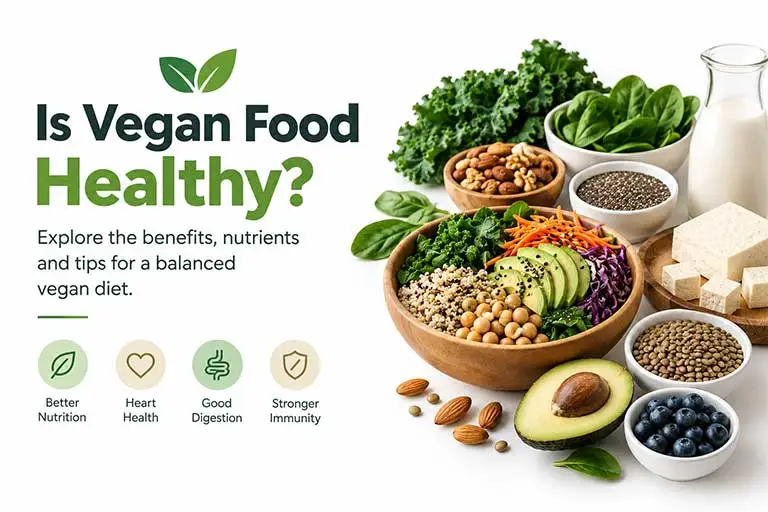
Nuts and seeds can help vegans obtain protein, healthy fats, fiber, and minerals. However, they should complement other plant foods such as beans, lentils, tofu, whole grains, vegetables, and fruit rather than replace a varied diet.
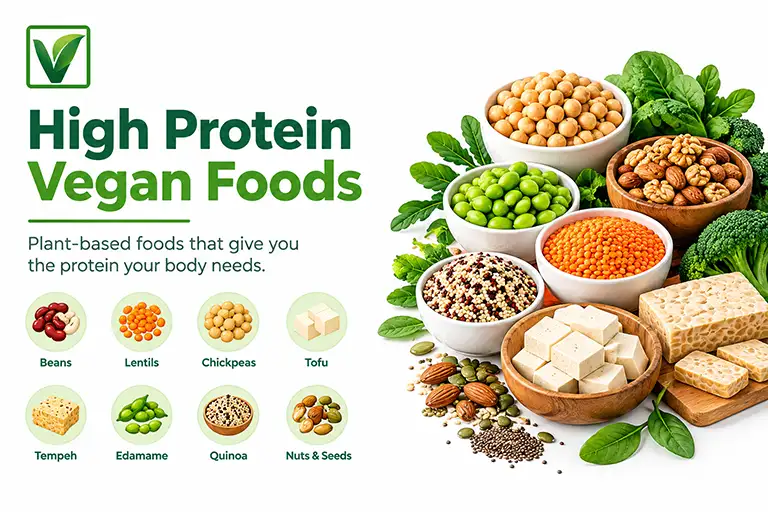
Nuts and Seeds High in Protein
Peanuts, hemp seeds, pumpkin seeds, almonds, and pistachios are useful protein sources. Hemp and pumpkin seeds are easy to sprinkle over salads, while peanut butter can add protein to toast or oatmeal.
Protein content varies by serving size. Pair nuts and seeds with legumes, soy foods, and whole grains to support a balanced vegan eating pattern.
Nuts and Seeds High in Fiber
Chia seeds, flaxseeds, almonds, pistachios, and sunflower seeds can contribute fiber. Fiber supports digestive health and may help you feel full for longer.
Increase fiber gradually and drink enough water, particularly when adding chia seeds or psyllium. Soak chia seeds before using them in wet foods and follow product instructions for psyllium.
Nuts and Seeds High in Iron
Pumpkin seeds, sesame seeds, hemp seeds, and cashews provide non-heme iron. This is the type of iron found in plant foods.
Your body absorbs non-heme iron less readily than heme iron from animal foods. Eating iron-rich plant foods alongside vitamin C sources, such as oranges, bell peppers, or tomatoes, can improve iron absorption.
Best Nuts and Seeds for Omega-3 Fatty Acid
Walnuts, chia seeds, flaxseeds, and hemp seeds provide alpha-linolenic acid (ALA), a plant-based omega-3 fatty acid.
Ground flaxseeds and chia seeds are convenient additions to oatmeal or smoothies. Walnuts make an easy snack, while hemp seeds can be sprinkled over vegetables or grain bowls. ALA differs from the omega-3 fats EPA and DHA found in seafood and certain algae products. The body converts ALA into EPA and DHA only to a limited extent.
Best Nuts and Seeds for Weight Loss
Nuts and seeds can fit into a weight-management plan because their protein, fiber, and fats help make snacks satisfying. However, they are calorie-dense, so portion size matters.
A small handful of nuts, around 28 grams, is a practical starting point for a snack. You can also measure a spoonful of seeds before adding them to cereal or smoothies.
Choose unsalted or lightly salted varieties and avoid products with large amounts of added sugar. Rather than adding unlimited nuts and seeds to your usual diet, use them to replace less nutritious snacks when appropriate.
No single nut or seed causes weight loss. Long-term results depend on overall food intake, activity, sleep, and sustainable habits.
Risk of Nuts and Seeds
Although nuts and seeds offer useful nutrients, a few precautions matter.
Allergies: Peanuts and tree nuts can trigger serious allergic reactions. Sesame is also a major food allergen in many countries. Avoid foods that trigger your allergy and check ingredient labels carefully.
Excess calories: Large portions can add substantial calories. Measure portions if you are monitoring your energy intake.
Salt and added sugar: Salted, honey-coated, and sugar-coated products may contain more sodium or sugar than plain options.
Choking risks: Whole nuts and seeds can pose choking hazards for young children. Use age-appropriate textures and follow pediatric feeding guidance.
Food safety: Store nuts and seeds in sealed containers in a cool, dry place. Discard foods that smell rancid or show signs of mold. Some varieties require cooking or specialized processing before consumption.
Specific hazards: Brazil nuts contain very high amounts of selenium, so eating many regularly can lead to excessive intake. Avoid areca nuts because they are associated with oral cancer and other serious health effects. Do not deliberately consume apple or pear seeds, raw cotton seeds, or other seeds that require special processing.
If you have a medical condition or follow a restricted diet, a qualified healthcare professional or registered dietitian can help you choose suitable portions and varieties.
In summary, nuts and seeds are valuable additions to a balanced diet, especially for people following a vegan lifestyle. Choose a variety of food-grade options, pay attention to portion sizes, and combine them with legumes, whole grains, fruits, and vegetables to get a broad range of nutrients.