What Do Vegetarians Eat: A Useful Guide to Vegetarian Foods
Choosing a vegetarian diet can be easier than you think. From fresh fruits and vegetables to beans, whole grains, dairy products, and eggs, there are plenty of nutritious foods to enjoy without eating meat.
In this guide, you will learn what vegetarians eat, the different types of vegetarian diets, essential nutrients to include, foods to avoid, and simple meal ideas to help you get started.
What Do Vegetarians Eat?
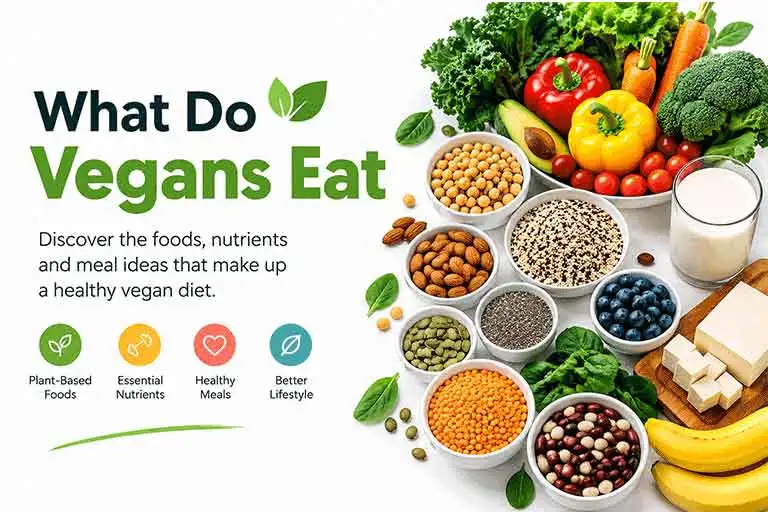
Vegetarians eat a variety of plant-based foods, including fruits, vegetables, grains, beans, lentils, nuts, and seeds. Depending on their dietary preferences, they may also eat eggs, milk, cheese, yogurt, and other dairy products.
For example, a vegetarian breakfast might include oatmeal with fruit, while lunch could feature a chickpea salad or vegetable sandwich. Dinner might include lentil curry with rice, baked potatoes, or pasta with vegetables and cheese.
The exact foods vegetarians eat depends on the type of vegetarian diet they follow. Some avoid all animal products, while others include eggs or dairy products.
What Is a Vegetarian Diet?
A vegetarian diet excludes meat, poultry, and fish. Instead, it focuses on plant foods and may include certain animal-derived foods, such as eggs, milk, and cheese.
A balanced vegetarian diet can provide many essential nutrients when it includes a wide range of whole foods. Beans, lentils, whole grains, vegetables, fruits, nuts, and seeds form a strong foundation for everyday meals.
However, simply avoiding meat does not automatically make a diet healthy. Highly processed snacks, sugary drinks, and foods high in saturated fat can still be vegetarian. Choosing nutritious foods and eating a variety of ingredients is important.
Types of Vegetarian Diets
People follow different vegetarian diets according to their preferences, beliefs, health goals, and lifestyles. Understanding these differences can help you identify the eating pattern that suits you best.
1. Veganism
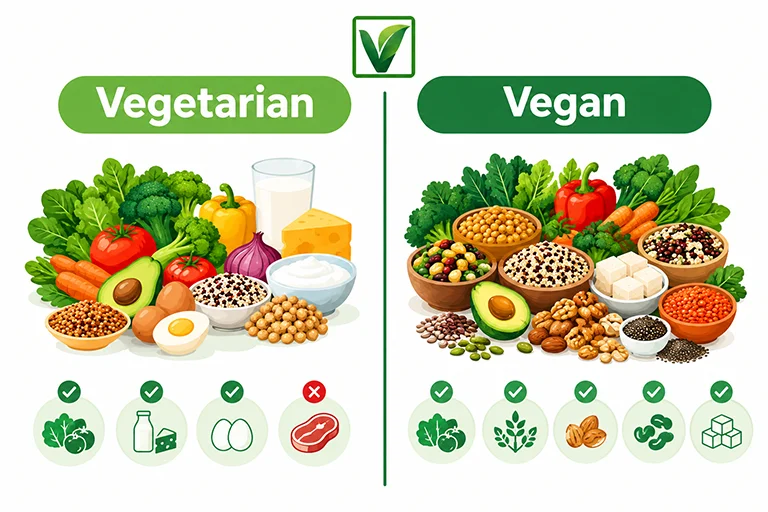
Vegans avoid all animal-derived foods, including meat, poultry, fish, eggs, milk, cheese, and honey. Their diets focus entirely on plant foods, such as fruits, vegetables, legumes, grains, nuts, and seeds.
Common vegan choices include tofu, lentils, plant-based milk, and vegetable curries. Vegans also need to plan for nutrients such as vitamin B12, which generally requires fortified foods or supplements.
2. Ovo-Vegetarianism
Ovo-vegetarians avoid meat, poultry, fish, and dairy products but eat eggs. Eggs provide protein, vitamin B12, and other nutrients, making them a useful part of this eating pattern.
Typical meals might include boiled eggs with whole-grain toast, vegetable omelets, or egg salad sandwiches. Plant foods remain important for fiber, vitamins, and minerals.
3. Lacto-Vegetarianism
Lacto-vegetarians avoid meat, poultry, fish, and eggs but consume dairy products. Milk, yogurt, and cheese can provide protein and calcium, depending on the product.
A lacto-vegetarian might enjoy oatmeal prepared with milk, yogurt with fruit, or lentil soup served with whole-grain bread. Beans, vegetables, and grains help make these meals more balanced.
4. Lacto-Ovo-Vegetarianism
Lacto-ovo-vegetarians avoid meat, poultry, and fish but eat both eggs and dairy products. This is a common type of vegetarian diet because it offers a wide range of food choices.
Meals may include scrambled eggs, vegetable pizza with cheese, yogurt, bean burritos, and pasta with tomato sauce. Eating varied plant foods alongside eggs and dairy can help meet nutritional needs.
5. Pescatarianism
Pescatarians avoid meat and poultry but eat fish and seafood. Many also consume eggs and dairy products.
Although pescatarian diets are often discussed alongside vegetarian eating patterns, they are not strictly vegetarian because they include fish. Salmon, sardines, beans, vegetables, and whole grains can feature in a pescatarian diet.
6. Flexitarianism
Flexitarians primarily eat plant-based foods but occasionally consume meat, poultry, or fish. This flexible approach allows people to increase their plant food intake without eliminating animal products.
For example, someone might eat vegetarian meals throughout the week and have chicken or fish occasionally. Flexitarianism is not a strict vegetarian diet, but it can help people make gradual dietary changes.
Healthy Eating as a Vegetarian
A healthy vegetarian diet should provide enough energy, protein, vitamins, minerals, and healthy fats. The key is to eat a variety of foods rather than relying on only a few ingredients.
1. Eating Fruits and Vegetables
Fruits and vegetables provide vitamins, minerals, antioxidants, and dietary fiber. Eating different colors helps you obtain a broader range of nutrients.
Include leafy greens, carrots, tomatoes, broccoli, berries, apples, oranges, and bananas in your meals. Fresh, frozen, and canned produce can all contribute to a healthy diet; choose options with little or no added sugar or excess salt.
2. Base Meals on Starchy Carbohydrates
Starchy carbohydrates provide energy for daily activities. Good choices include oats, brown rice, whole-wheat bread, potatoes, whole-grain pasta, and other grains.
Whole-grain options generally provide more fiber than refined versions. Try oatmeal for breakfast, brown rice with lentils for lunch, or baked potatoes with beans for dinner.
3. Eat Various Sources of Protein
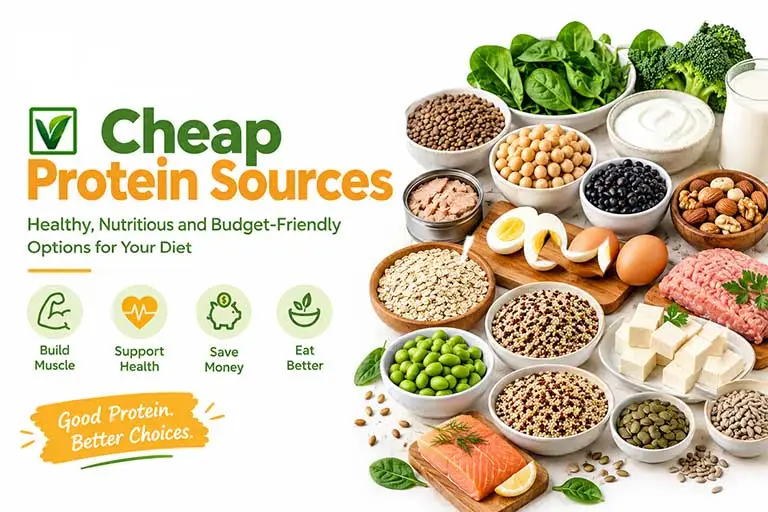
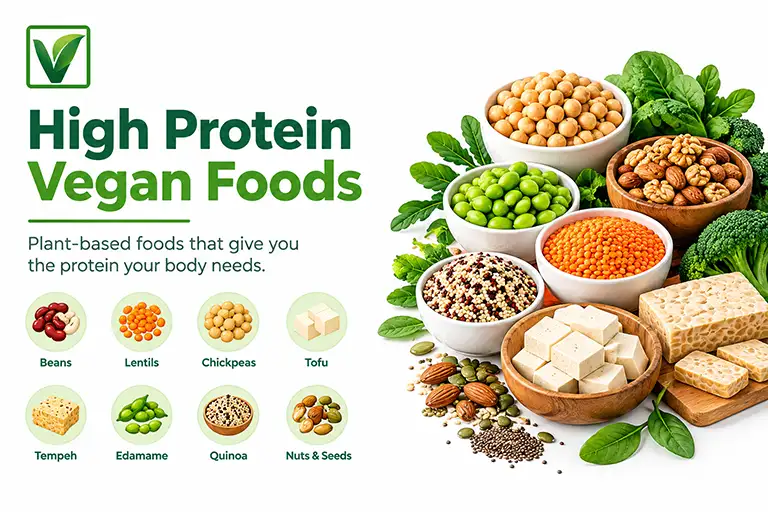
Protein supports muscle maintenance, tissue repair, and many essential body functions. Vegetarians can obtain protein from beans, lentils, chickpeas, peas, tofu, tempeh, nuts, seeds, eggs, and dairy products.
For example, combine lentils with rice, add chickpeas to salads, or serve tofu with vegetables and whole grains. Eating different protein sources throughout the day makes it easier to meet your nutritional needs.
4. Choose Unsaturated Oils and Spreads
Unsaturated fats support normal body functions and can help replace less healthy saturated fats. Sources include olive oil, rapeseed oil, avocado, nuts, and seeds.
Use oils in moderate amounts and include whole-food sources of healthy fats regularly. Walnuts, chia seeds, and ground flaxseeds also provide plant-based omega-3 fatty acids.
5. Limit Foods High in Fat, Salt, and Sugar
Vegetarian foods can still contain large amounts of salt, sugar, and saturated fat. Biscuits, sugary drinks, fried snacks, and some processed meat alternatives may provide limited nutritional value.
Enjoy these foods occasionally rather than making them the foundation of your diet. Choose whole foods more often, check nutrition labels, and prepare meals at home when practical.
Nutrients of a Vegetarian Diet
A well-planned vegetarian diet can provide most essential nutrients, but some require extra attention. Your needs depend on your age, health, food choices, and whether you eat eggs or dairy products.
1. Iron
Iron helps your body produce hemoglobin, which carries oxygen in the blood. Vegetarian sources include lentils, beans, chickpeas, tofu, pumpkin seeds, and iron-fortified cereals.
The body absorbs iron from plants less efficiently than iron from meat. Eating vitamin C-rich foods, such as oranges, tomatoes, or bell peppers, alongside plant sources can improve iron absorption.
2. Calcium
Calcium supports strong bones and teeth, as well as normal muscle and nerve function. Milk, yogurt, and cheese provide calcium for vegetarians who eat dairy products.
Other sources include calcium-fortified plant milk, calcium-set tofu, and certain leafy green vegetables. Check food labels because calcium content varies between products.
3. Vitamin D
Vitamin D helps your body absorb calcium and supports bone health. Few foods naturally provide substantial amounts, although fortified products and some mushrooms exposed to ultraviolet light can contribute.
Sunlight exposure helps the body produce vitamin D, but the amount varies with location, season, skin tone, and other factors. Some people may need a supplement, particularly when sunlight exposure is limited.
4. Vitamin B12
Vitamin B12 supports nerve function and red blood cell formation. Dairy products and eggs provide some B12, but people who eat small amounts may not obtain enough.
Vegans need a reliable source of vitamin B12 from fortified foods or supplements. Anyone concerned about their intake should discuss suitable options with a qualified healthcare professional.
5. Zinc
Zinc supports immune function, wound healing, and normal growth. Vegetarian sources include beans, lentils, whole grains, nuts, seeds, and dairy products.
Soaking, sprouting, or fermenting certain foods can help improve zinc availability. Eating a variety of these foods regularly supports a balanced diet.
6. Omega-3 Fatty Acids
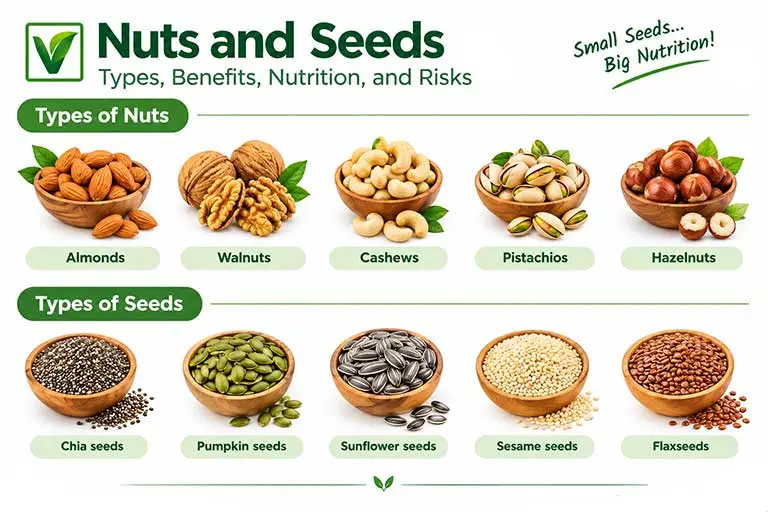
Omega-3 fats contribute to normal brain and heart function. Vegetarian sources include walnuts, chia seeds, ground flaxseeds, hemp seeds, and some omega-3-fortified foods.
Plant foods provide alpha-linolenic acid (ALA), which the body converts to other omega-3 fats in limited amounts. Algae-based supplements provide another option for people seeking a direct source of DHA and EPA.
7. Protein
Protein helps maintain muscles, repair tissues, and supports the immune system. Beans, lentils, chickpeas, tofu, tempeh, nuts, seeds, eggs, and dairy products are useful sources.
Include protein-rich foods in your main meals instead of relying only on vegetables or refined carbohydrates. Most people can meet their needs through a varied diet, although requirements differ according to body size, age, and activity level.
8. Iodine
Iodine helps the thyroid gland produce hormones that regulate growth and metabolism. Dairy products and eggs can provide iodine, but their content varies.
Vegans and people who avoid dairy or eggs may need to pay particular attention to iodine intake. Iodized salt can help but use it in moderation. Seaweed contains highly variable amounts of iodine, so eating large quantities can provide too much.
What Do Vegetarians Not Eat?
Vegetarians generally avoid meat, poultry, and fish, including beef, lamb, chicken, turkey, and seafood. They also avoid foods made with these ingredients, such as meat-based broths or certain fish sauces.
Whether vegetarians eat eggs, milk, cheese, yogurt, or honey depends on their specific dietary pattern. Lacto-ovo-vegetarians eat eggs and dairy, lacto-vegetarians eat dairy but not eggs, and ovo-vegetarians eat eggs but not dairy.
Vegans avoid all animal-derived foods. When buying packaged foods, check ingredient labels for animal ingredients such as gelatin, lard, and meat extracts if these conflict with your diet.
Why Become a Vegetarian?
People choose vegetarian diets for different reasons. Some want to eat more plant foods, while others consider animal welfare, environmental concerns, cultural traditions, or personal preferences.
A vegetarian diet can also introduce people to new ingredients and cooking methods. Learning to prepare beans, lentils, whole grains, and seasonal vegetables can make everyday meals more varied and nutritious.
There is no single reason everyone should become vegetarian. The best approach is to choose an eating pattern that fits your needs and preferences while providing adequate nutrition.
Benefits of Vegetarian Diets
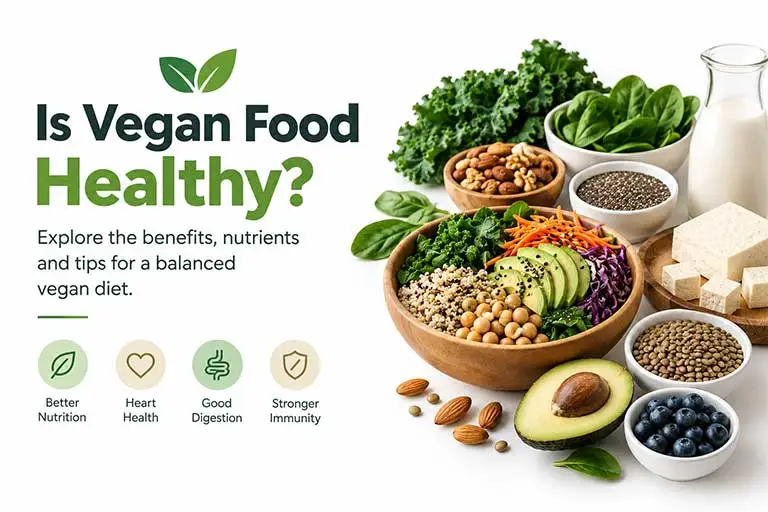
A well-planned vegetarian diet can offer several potential health benefits, particularly when it emphasizes whole plant food rather than highly processed products.
- More dietary fiber: Beans, whole grains, fruits, and vegetables support digestion and help maintain regular bowel movements.
- Heart health: Diets rich in plant foods and lower in saturated fat can help support healthy cholesterol levels and cardiovascular health.
- Nutrient variety: Eating different fruits, vegetables, legumes, nuts, and seeds provides a wide range of vitamins, minerals, and beneficial plant compounds.
- Healthy weight management: Fiber-rich foods can help you feel full, although weight changes depend on total calorie intake and overall habits.
- More food variety: Vegetarian eating encourages people to explore ingredients such as lentils, tofu, quinoa, and different vegetables.
These benefits are not guaranteed simply by removing meat. Food quality, portion sizes, physical activity, and other lifestyle factors also influence health.
Ideas for a Vegetarian Meal Plan
Planning meals in advance can make vegetarian eating easier and help you include a range of nutrients. Here are simple ideas you can adapt to your preferences and budget.
Breakfast Options
- Oatmeal with banana, nuts, and chia seeds.
- Whole-grain toast with eggs and tomatoes.
- Yogurt with berries, oats, and ground flaxseeds.
- A smoothie made with fortified plant milk, fruit, and peanut butter.
Lunch Options
- Chickpea salad with cucumber, tomatoes, and olive oil.
- Lentil soup with whole-grain bread.
- Brown rice with beans and roasted vegetables.
- A whole-wheat sandwich filled with egg, cheese, or hummus and fresh vegetables.
Snack Options
- Fresh fruit with a handful of nuts.
- Carrot sticks with hummus.
- Plain yogurt or fortified soy yogurt.
- Roasted chickpeas or whole-grain crackers with peanut butter.
Dinner Options
- Lentil curry served with brown rice.
- Tofu stir-fry with vegetables and whole-grain noodles.
- Baked potatoes topped with beans and yogurt.
- Whole-wheat pasta with tomato sauce, vegetables, and cheese.
- Vegetable and chickpea stew served with whole-grain bread.
Adjust portion sizes to your appetite, activity level, and nutritional needs. If you follow a vegan diet, choose suitable plant-based alternatives and ensure you have a reliable source of vitamin B12.
Final Thoughts
So, what do vegetarians eat? They enjoy a wide variety of foods, from fruits, vegetables, beans, and whole grains to eggs and dairy products, depending on their dietary choices.
A healthy vegetarian diet does not need to be complicated or expensive. Focus on varied whole foods, include reliable protein sources, and pay attention to nutrients such as iron, calcium, vitamin D, and vitamin B12. With a little planning, vegetarian meals can be nutritious, satisfying, and enjoyable.