What Do Vegans Eat: A Complete Vegan Food and Meals Guide
Have you ever wondered what do vegans eat every day? Or how do they get enough protein, calcium, and other essential nutrients without animal products? A vegan diet may seem restrictive at first, but it includes a wide variety of delicious, nutritious, and satisfying foods.
From fresh fruits and vegetables to whole grains, legumes, nuts, seeds, and plant-based alternatives, vegan eating offers plenty of choices for every meal.
In this guide, you will discover what vegans eat, which foods they avoid, and how to plan balanced vegan meals. Whether you are considering a vegan lifestyle or simply exploring plant-based food options, this article will help you get started.
What Is Veganism?
Veganism is a lifestyle that aims to avoid using animals for food, clothing, entertainment, and other purposes whenever practical and possible.
People choose veganism for different reasons, including animal welfare, environmental concerns, and personal health.
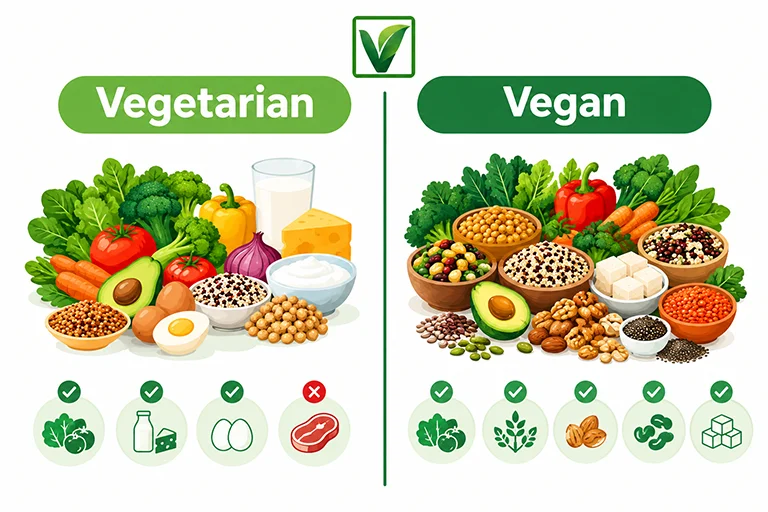
A vegan lifestyle excludes meat, fish, dairy products, eggs, and other animal-derived ingredients from the diet. It may also involve avoiding leather, fur, and products tested on animals.
However, veganism is not just about avoiding certain foods. It also encourages compassion toward animals and more conscious everyday choices.
What Is a Vegan Diet?
A vegan diet is a completely plant-based eating pattern that excludes all animal-derived foods.
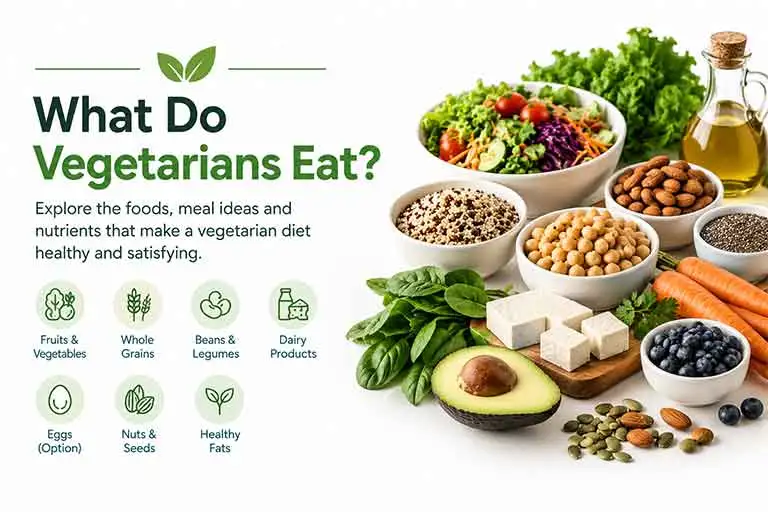
Instead, it focuses on fruits, vegetables, whole grains, beans, lentils, nuts, seeds, and plant-based alternatives.
Common vegan foods include oatmeal, brown rice, tofu, chickpeas, vegetables, and fortified plant milk.
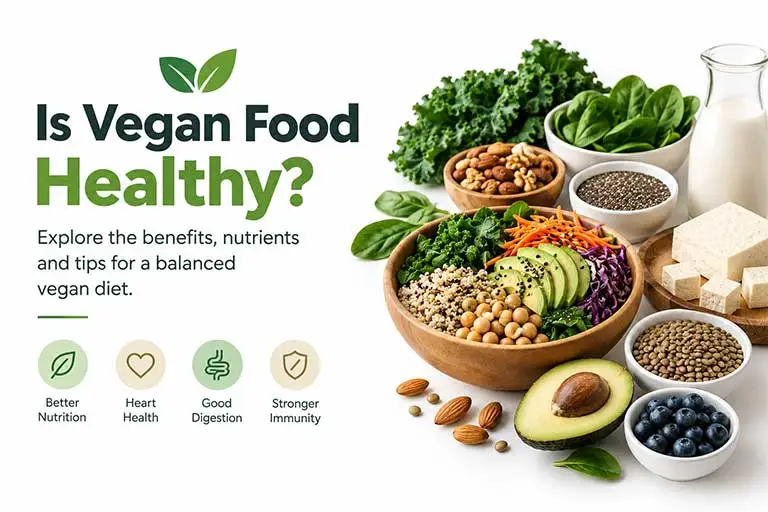
A well-planned vegan diet can provide most essential nutrients and support overall health. However, people need to pay particular attention to vitamin B12, vitamin D, calcium, iron, omega-3 fatty acids, and protein.
What Do Vegans Eat?
So, what do vegans eat on a typical day? The answer is simple: a wide variety of plant-based foods.
Vegans can enjoy traditional meals, international cuisines, homemade dishes, and commercially available vegan alternatives.
Their daily meals often include:
Many vegans also enjoy plant-based burgers, vegan cheese, dairy-free yogurt, and meat alternatives.
Vegan Food List
Here is a practical vegan food list to help you understand what vegans can eat.
| Food Category | Examples |
|---|---|
| Fruits | Apples, bananas, grapes, oranges, berries |
| Vegetables | Spinach, broccoli, potatoes, carrots |
| Grains | Oats, rice, quinoa, barley |
| Legumes | Lentils, beans, chickpeas, peas |
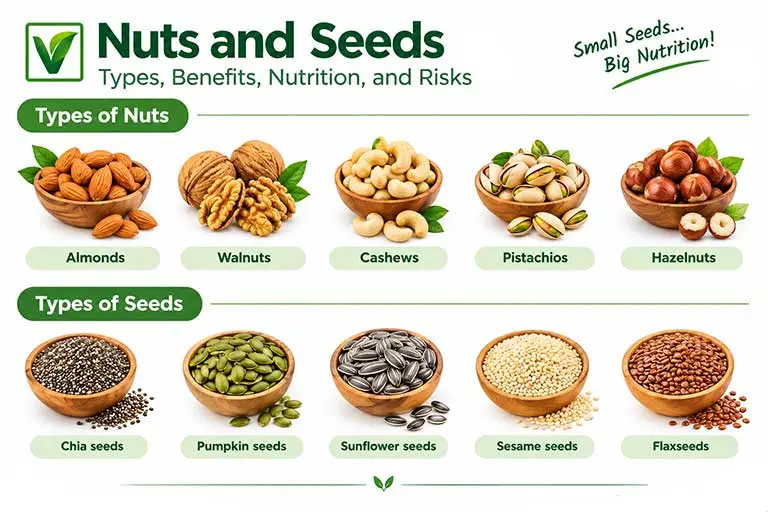
| Nuts | Almonds, walnuts, peanuts, cashews |
| Seeds | Chia, flax, hemp, pumpkin seeds |
| Plant proteins | Tofu, tempeh, seitan |
| Dairy alternatives | Soy milk, oat milk, vegan yogurt |
| Healthy fats | Avocado, olive oil, tahini |
| Vegan treats | Dark chocolate, fruit sorbet, dairy-free ice cream |
Always check food labels because some packaged products contain milk powder, whey, gelatin, honey, or other animal-derived ingredients.
What Do Vegans Not Eat?
Vegans avoid foods that come from animals, including meat, seafood, dairy, eggs, and honey.
They also avoid ingredients such as gelatin, which commonly comes from animal collagen, and certain animal-derived additives.
Some processed foods may appear plant-based but contain hidden animal ingredients. Reading ingredient labels helps vegans make informed choices.
Non-Vegan Food List
The following foods are generally excluded from a vegan diet:
Vegans can replace many of these foods with plant-based alternatives without giving up familiar flavors.
What Do Vegans Eat for Breakfast?
Vegan breakfasts can be simple, filling, and nutritious. A balanced breakfast usually combines whole grains, fruit, and a source of protein or healthy fat.
Popular vegan breakfast ideas include:
For a protein-rich breakfast, try oatmeal with soy milk, peanut butter, and pumpkin seeds.
What Do Vegans Eat for Dinner?
Vegan dinners can be just as satisfying as traditional meals. The key is to combine plant protein, vegetables, whole grains, and healthy fats.
Some popular vegan dinner options include:
For a comforting meal, prepare a vegetable and lentil curry with whole-grain bread. It provides fiber, plant protein, and several essential nutrients.
What Do Vegans Eat for Lunch?
A good vegan lunch should provide enough energy to keep you satisfied throughout the afternoon.
Here are some easy options:
Meal prepping grains, beans, and vegetables in advance can make weekday lunches easier and more affordable.
What Do Vegans Eat for Dessert?
Vegans do not have to give up desserts. Many traditional sweets can be prepared using plant-based ingredients.
Popular vegan desserts include:
When purchasing desserts, check for milk, eggs, whey, gelatin, and other animal-derived ingredients.
Sources of Nutrients
A balanced vegan diet includes a variety of foods to meet nutritional needs. Some nutrients require extra attention because they are less readily available in unfortified plant foods.
Sources of Calcium
Calcium supports strong bones, teeth, and normal muscle function.
Good vegan calcium sources include:
Choose fortified products and check their nutrition labels to confirm calcium content.
Sources of Iron
Iron helps the body produce hemoglobin, which carries oxygen in the blood.
Vegan sources of iron include lentils, chickpeas, kidney beans, tofu, pumpkin seeds, spinach, and fortified cereals.
Pairing these foods with vitamin C sources, such as oranges, tomatoes, or bell peppers, improves the absorption of plant-based iron.
Sources of B12
Vitamin B12 supports nerve function and red blood cell production.
Reliable vegan sources include:
Unfortified plant foods are not reliable sources of vitamin B12. Vegans should use a dependable fortified food or supplement strategy.
Sources of Omega-3s
Omega-3 fatty acids support brain, heart, and overall health.
Vegan sources include:
Adding ground flaxseeds or chia seeds to oatmeal and smoothies is an easy way to increase omega-3 intake.
Sources of Vitamin D
Vitamin D helps the body absorb calcium and maintain bone health.
Vegan sources include vitamin D-fortified plant milk, fortified cereals, and UV-exposed mushrooms.
Sunlight also helps the body produce vitamin D, although exposure needs vary by location, season, skin tone, and other factors.
Some people may need a vegan vitamin D supplement, particularly when dietary intake and sunlight exposure are limited.
Sources of Vitamin B12
Vitamin B12 deserves special attention because a deficiency can affect the nervous system and blood health.
Vegans can obtain B12 through fortified foods or supplements containing a reliable form of the vitamin.
Check product labels for the amount and serving frequency. If you are unsure about your intake, consult a qualified healthcare professional.
What Do Vegans Eat for Protein?
Protein is essential for muscle maintenance, tissue repair, and many body functions.
Fortunately, a vegan diet offers several excellent protein sources.
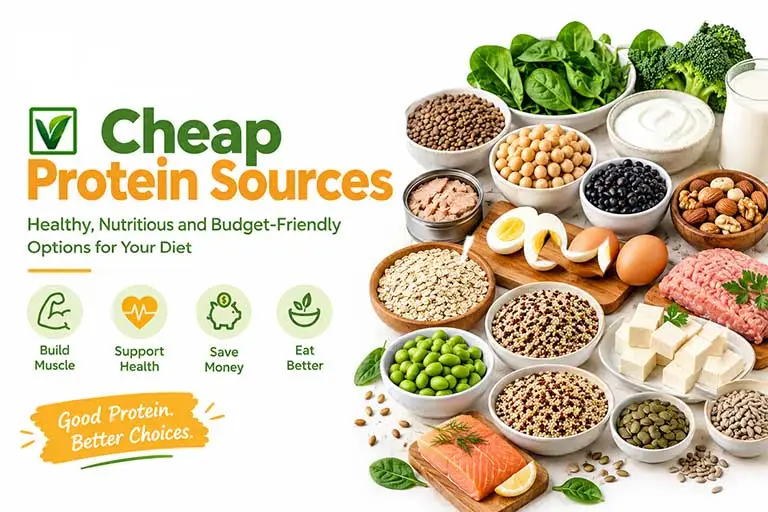
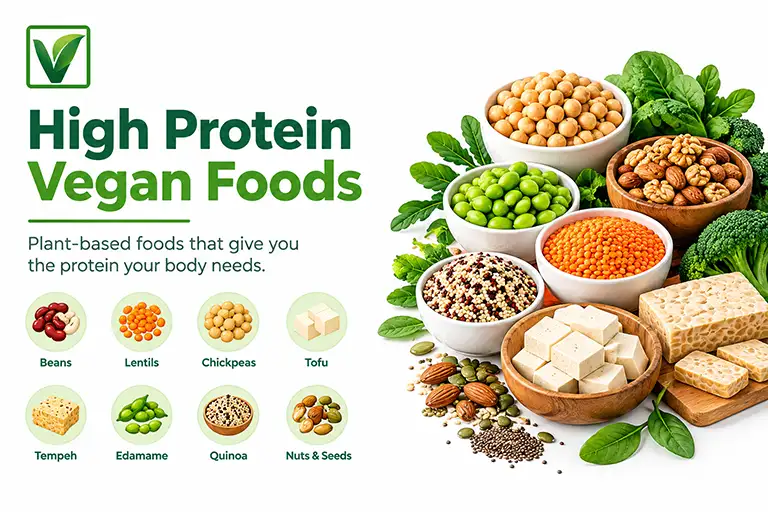
High-protein vegan foods include:
| Vegan Food | Approximate Protein |
|---|---|
| Cooked lentils (100 g) | 9 g |
| Cooked chickpeas (100 g) | 9 g |
| Firm tofu (100 g) | 10–17 g |
| Tempeh (100 g) | 19–20 g |
| Edamame (100 g) | 11–12 g |
| Pumpkin seeds (100 g) | 30 g |
| Peanut butter (100 g) | 25 g |
Values vary by brand, preparation, and water content.
Combining beans, grains, soy products, nuts, and seeds throughout the day can help vegans meet their protein requirements.
What Do Vegans Eat for Iron?
Vegans can obtain iron from legumes, seeds, whole grains, vegetables, and fortified foods.
Some of the best options include lentils, soybeans, tofu, kidney beans, pumpkin seeds, oats, and fortified cereals.
For better iron absorption, combine these foods with vitamin C-rich ingredients.
For example, a lentil salad with tomatoes and lemon juice provides a useful combination of plant-based iron and vitamin C.
What Do Vegans Eat Instead of Meat?
Vegans use several plant-based alternatives to replace meat in familiar meals.
Common options include:
For example, lentils can replace minced meat in pasta sauce, while black beans work well in tacos and burgers.
What Do Vegans Eat Instead of Eggs?
Vegans have several alternatives to eggs, depending on the recipe.
For baking, common substitutes include:
For savory meals, tofu scramble offers a popular alternative to scrambled eggs.
Some commercial products also provide plant-based egg alternatives for omelets and breakfast dishes.
What Do Vegans Eat for Calcium?
Calcium is important for maintaining healthy bones and teeth.
Vegans can get calcium from fortified soy milk, calcium-set tofu, fortified plant yogurt, kale, bok choy, sesame seeds, and almonds.
A simple way to increase calcium intake is to include fortified plant milk in breakfast and calcium-rich vegetables in lunch or dinner.
What Do Vegans Eat for Snacks?
Vegan snacks can be both convenient and nutritious.
Some everyday choices include:
For a more filling snack, combine a carbohydrate source with protein or healthy fat.
What Do Vegans Eat Every Day?
A typical vegan diet includes different food groups throughout the day to provide energy, protein, fiber, vitamins, and minerals.
Here is an example of a balanced daily vegan meal plan:
| Meal | Example |
|---|---|
| Breakfast | Oatmeal with soy milk, banana, and chia seeds |
| Morning snack | Apple with peanut butter |
| Lunch | Lentil curry with brown rice and salad |
| Afternoon snack | Hummus with carrots |
| Dinner | Tofu stir-fry with vegetables and quinoa |
| Optional dessert | Fresh fruit or dairy-free yogurt |
This is only an example. Portion sizes and food choices should reflect individual energy needs, preferences, and health requirements.
What Do Vegans Eat for Thanksgiving?
Vegan Thanksgiving meals can include traditional holiday flavors without animal products.
Popular dishes include:
These dishes allow everyone at the table to enjoy a festive meal.
Tips for a Healthy Vegan Diet
A healthy vegan diet requires variety and thoughtful food choices.
Follow these practical tips:
A vegan label does not automatically make a food healthy. A balanced eating pattern matters more than whether a product is marketed as vegan.
Benefits of a Vegan Diet
A well-planned vegan diet may offer several health and lifestyle benefits.
1. Supports heart health
Plant-based diets rich in vegetables, legumes, whole grains, and nuts can help support healthy cholesterol levels and cardiovascular health.
2. Provides plenty of fiber
Fruits, vegetables, beans, and whole grains contain dietary fiber, which supports digestion and bowel regularity.
3. Helps with weight management
Many whole plant foods are relatively low in energy density and high in fiber, which may help people manage their weight.
4. Supports better dietary variety
Vegan eating encourages people to explore different vegetables, grains, legumes, seeds, and plant-based ingredients.
5. May reduce environmental impact
Plant-based eating patterns generally require fewer natural resources and can produce lower greenhouse gas emissions than diets high in animal products.
6. Encourages animal welfare
Veganism helps people align their food choices with concerns about animal use and exploitation.
However, these benefits depend on food quality and overall lifestyle. A poorly planned vegan diet can still lack important nutrients.
How Do I Get Started Eating Vegan Food?
Starting a vegan diet does not have to be complicated. You can make gradual changes while learning how to prepare balanced meals.
Here are some simple steps:
Start with familiar meals: Replace meat in dishes you already enjoy with lentils, beans, tofu, or other plant proteins.
Explore plant-based alternatives: Try fortified soy milk, vegan yogurt, and dairy-free cheese to discover what you like.
Plan your meals: Prepare a weekly food plan that includes protein, whole grains, vegetables, fruits, and healthy fats.
Learn to read labels: Check ingredients for milk, eggs, gelatin, honey, and other animal-derived products.
Pay attention to nutrients: Make vitamin B12 a priority and plan adequate calcium, iron, vitamin D, omega-3, and protein intake.
Experiment with new foods: Try chickpea curry, tofu stir-fry, lentil soup, quinoa bowls, and vegetable wraps.
Make changes at your own pace: Some people transition overnight, while others gradually replace animal products over several weeks.
The goal is to build a sustainable eating pattern that suits your health, budget, and personal preferences.
Final Thoughts
So, what do vegans eat? They enjoy a wide range of plant-based foods, including fruits, vegetables, grains, beans, lentils, nuts, seeds, and meat and dairy alternatives.
A vegan diet can be flavorful, affordable, and nutritionally balanced when planned carefully.
Whether you want to improve your eating habits, explore plant-based meals, or adopt a vegan lifestyle, start with simple food swaps and gradually build your confidence in the kitchen.
With variety, proper nutrient planning, and consistent choices, vegan eating can become a practical part of everyday life.