Is Vegan Food Healthy: Benefits, Risks, and Others Facts
Is vegan food healthy, or can avoiding meat, eggs, and dairy products lead to nutritional deficiencies? Many people ask this question when considering a plant-based diet. The good news is that a well-planned vegan diet can provide essential nutrients and support overall health.
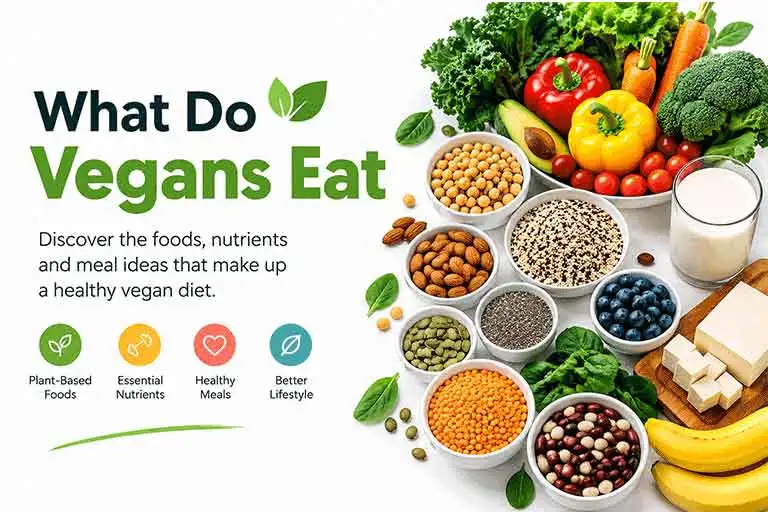
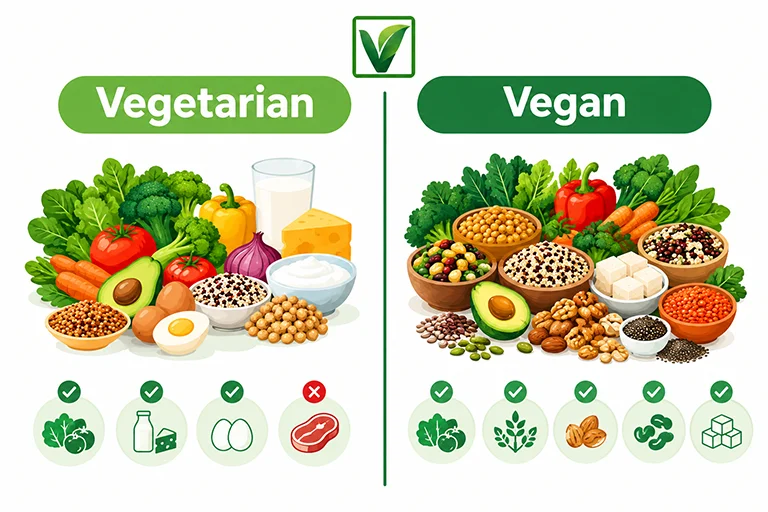
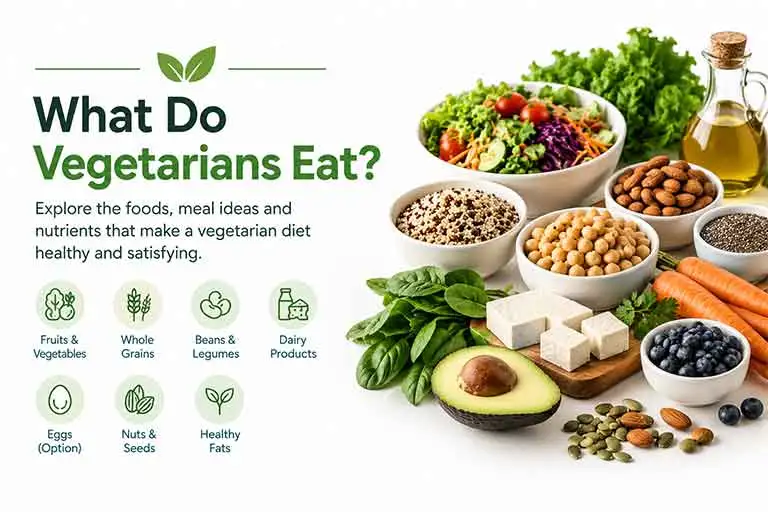
Vegan food includes fruits, vegetables, whole grains, beans, lentils, nuts, seeds, and plant-based alternatives. These foods provide fiber, vitamins, minerals, and other beneficial nutrients. However, the quality of your food choices matters more than simply following a vegan label.
In this guide, you will learn about the health benefits of vegan food, possible nutritional risks, essential nutrients, and practical tips for building a balanced vegan diet.
Is Vegan Food Healthy?
Yes, vegan food can be healthy when you choose a variety of nutrient-rich plant foods and plan your meals carefully. A balanced vegan diet can provide protein, carbohydrates, healthy fats, fiber, vitamins, and minerals.
Foods such as lentils, chickpeas, oats, vegetables, fruits, tofu, and nuts offer valuable nutrients that support everyday body functions.
However, not every vegan food is nutritious. Vegan cookies, chips, sugary drinks, and highly processed meat alternatives may contain large amounts of salt, sugar, or saturated fat. For better health, focus on whole or minimally processed foods while including fortified products and supplements when needed.
What Makes Vegan Food Healthy?
Vegan food can support good health because many plant foods contain nutrients that the body needs to function properly.
Here are some important components of a healthy vegan diet.
1. Fruits and Vegetables
Fruits and vegetables provide vitamins, minerals, antioxidants, and dietary fiber. These nutrients help support the immune system, digestion, and overall well-being.
Examples include spinach, broccoli, carrots, berries, oranges, apples, and sweet potatoes.
Try to eat a variety of colors because different fruits and vegetables provide different nutrients.
2. Whole Grains
Whole grains provide carbohydrates for energy, along with fiber and several B vitamins and minerals.
Healthy choices include oats, brown rice, whole-wheat bread, barley, and quinoa.
Replacing some refined grains with whole grains can help improve the nutritional quality of your meals.
3. Beans and Lentils
Beans, lentils, peas, and chickpeas are high sources of plant-based protein and fiber. They also provide iron, folate, and other essential nutrients.
For example, lentil soup, chickpea curry, and kidney bean salads can make satisfying additions to a vegan diet.
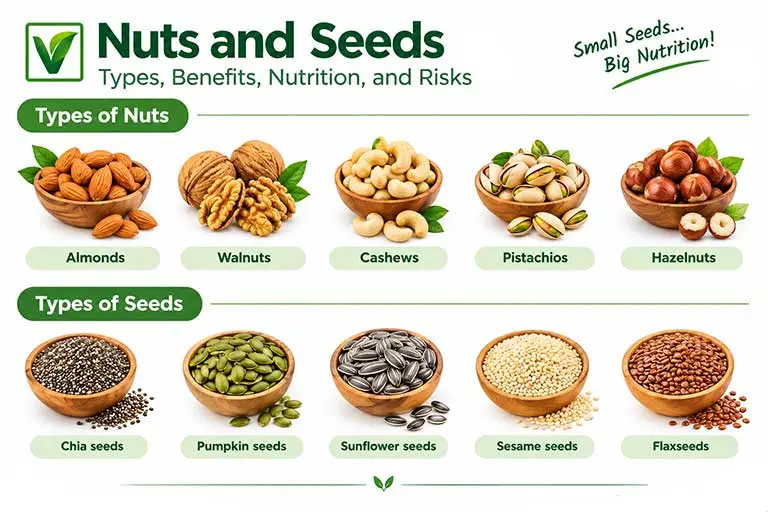
4. Nuts and Seeds
Nuts and seeds provide healthy fats, protein, fiber, and minerals.
Walnuts, almonds, chia seeds, flaxseeds, and pumpkin seeds are useful choices. Sprinkle seeds over oatmeal or add nuts to salads for extra nutrition.
Because nuts and seeds are energy-dense, adjust portions to suit your nutritional needs.
5. Plant-Based Protein
Protein supports muscle maintenance, tissue repair, and many other body functions.
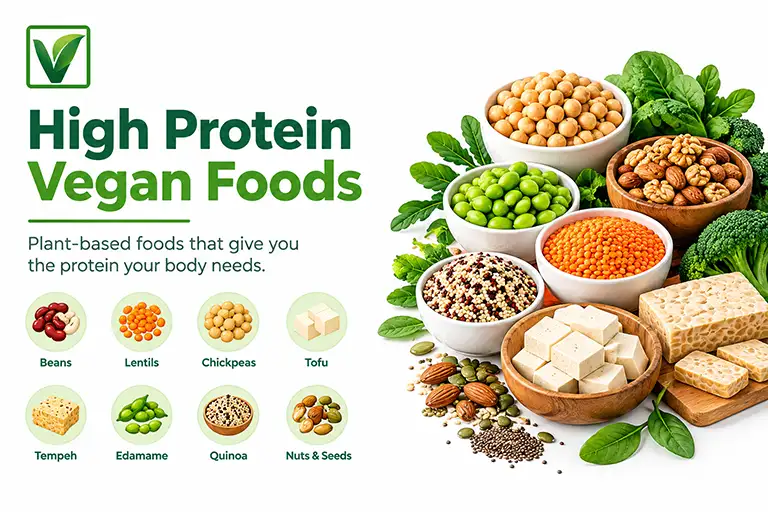
Vegan protein sources include tofu, tempeh, soy milk, beans, lentils, seitan, and edamame.
Including a protein source in your main meals helps make your diet more balanced and satisfying.
Health Benefits of Vegan Food
A well-planned vegan diet may offer several health benefits, particularly when it emphasizes whole plant foods.
Healthy Heart
Many plant foods contain fiber and unsaturated fats that can support healthy cholesterol levels.
Beans, oats, nuts, seeds, vegetables, and whole grains are useful choices for a heart-conscious eating pattern.
A vegan diet can still contain substantial amounts of saturated fat, especially when it relies heavily on coconut oil or certain processed foods. Food quality remains important.
Help in Weight Management
Many fruits, vegetables, legumes, and whole grains provide fiber and water, which can help you feel full.
These foods may support weight management when your overall calorie intake matches your goals.
However, vegan food does not automatically cause weight loss. Large portions of calorie-dense foods and frequent sugary snacks can still contribute to excess calorie intake.
Supports Digestive Health
Fiber helps support regular bowel movements and a healthy digestive system.
Beans, lentils, oats, fruits, vegetables, and whole grains are especially useful sources.
If you are new to eating more fiber, increase your intake gradually and drink enough water to reduce bloating and digestive discomfort.
Provides Antioxidants
Many plant foods contain antioxidants and other beneficial compounds. Berries, leafy greens, tomatoes, carrots, and colorful vegetables provide a range of these substances.
Eating different types of plant foods helps you obtain a broader variety of nutrients.
Support Blood Sugar Management
Whole grains, legumes, vegetables, and other high-fiber foods can help support healthy blood sugar levels as part of a balanced diet.
The effects depend on portion sizes, overall food choices, physical activity, and individual health.
People with diabetes should work with a healthcare professional to ensure their meal plan meets their treatment and nutritional needs.
Can Vegan Food Cause Nutritional Deficiencies?
Yes, a poorly planned vegan diet can lead to nutrient deficiencies. Some nutrients require extra attention because plant foods may contain limited amounts, less readily absorbed forms, or no reliable natural source.
The good news is that careful food choices, fortified products, and appropriate supplements can help address these concerns.
Vitamin B12
Vitamin B12 supports nerve function and red blood cell production. Unfortified plant foods do not provide a reliable source of this vitamin.
Vegans should obtain B12 through fortified foods, such as certain plant milks and breakfast cereals, or a suitable supplement.
Do not rely on unfortified nutritional yeast, seaweed, or fermented foods as dependable B12 sources.
Iron
Iron helps transport oxygen throughout the body. Vegan sources include lentils, chickpeas, beans, tofu, pumpkin seeds, and fortified cereals.
The body generally absorbs iron from plant foods less efficiently than iron from meat.
Eating vitamin C-rich foods, such as tomatoes, oranges, and bell peppers, alongside plant-based iron sources can improve absorption.
Calcium
Calcium supports strong bones and teeth and helps muscles function properly.
Vegan sources include calcium-fortified plant milk, calcium-set tofu, fortified plant yogurt, kale, and bok choy.
Check food labels because calcium content varies between products, and not every plant-based milk contains added calcium.
Vitamin D
Vitamin D helps the body absorb calcium and maintain bone health.
Some vegan foods provide vitamin D, including fortified plant milk and certain UV-exposed mushrooms. Depending on your location, sunlight exposure, and individual needs, a supplement may be necessary.
Ask a healthcare professional about testing or supplementation if you are concerned about low vitamin D levels.
Omega-3 Fatty Acids
Omega-3 fats support normal brain and heart function. Chia seeds, ground flaxseeds, walnuts, and hemp seeds provide the plant-based omega-3 ALA.
The body converts ALA into EPA and DHA inefficiently. Algae-based supplements provide a vegan source of EPA and DHA for people who need or prefer them.
Iodine and Zinc
Iodine supports thyroid function, while zinc helps with immune function and wound healing.
Vegan sources of zinc include beans, lentils, tofu, nuts, seeds, and whole grains. Iodine sources can include iodized salt and certain fortified products.
Seaweed contains highly variable amounts of iodine, and some varieties contain excessive quantities. Avoid using it as an uncontrolled daily iodine supplement.
Is Vegan Food Healthy for Children and Pregnant Women?
A carefully planned vegan diet can meet nutritional needs during different stages of life, but children and pregnant or breastfeeding women require particular attention to nutrient intake.
Children need sufficient calories, protein, calcium, iron, vitamin B12, vitamin D, and other nutrients to support growth and development.
Pregnant and breastfeeding women also need reliable sources of nutrients such as vitamin B12, iron, iodine, calcium, vitamin D, and omega-3 fatty acids.
Anyone following a vegan diet during these stages should seek guidance from a qualified healthcare professional or registered dietitian with appropriate nutrition expertise.
Is Processed Vegan Food Healthy?
Not always. Processed vegan foods can be convenient, but their nutritional quality varies considerably.
Some fortified plant milks, whole-grain breads, and plant-based protein products can contribute to useful nutrients. Other products contain substantial amounts of sodium, added sugar, or saturated fat.
For example, a lentil burger made at home may provide fiber and protein, while a highly processed vegan burger may contain more sodium and saturated fat.
You do not need to avoid every packaged product. Instead, compare nutrition labels and make whole or minimally processed foods the foundation of your diet.
How to Build a Healthy Vegan Diet?
A balanced vegan diet does not have to be complicated or expensive. A few practical habits can help you meet your nutritional needs.
1. Include protein in your meals. Choose beans, lentils, tofu, tempeh, chickpeas, or other plant proteins.
2. Eat a variety of fruits and vegetables. Include different types of fruits and vegetables throughout the week.
3. Choose whole grains regularly. Try oats, brown rice, whole-wheat bread, and quinoa.
4. Include healthy fats. Add nuts, seeds, avocado, or olive oil in suitable portions.
5. Prioritize vitamin B12. Use reliable fortified foods or a suitable supplement.
6. Check calcium and vitamin D intake. Choose appropriate fortified products and supplements when necessary.
7. Combine iron-rich foods with vitamin C. For example, eat lentils with tomatoes or beans with bell peppers.
8. Limit foods high in added sugar and sodium. Keep sweets, chips, and heavily processed products as occasional choices rather than dietary staples.
9. Plan your meals ahead. Preparing beans, grains, and vegetables in advance can save time and money.
Example of a Healthy Vegan Meal Plan
Here is a simple example of how you can include different food groups throughout the day.
| Meal | Example |
| Breakfast | Oatmeal with fortified soy milk, banana, and chia seeds |
| Morning snack | Apple and a small handful of almonds |
| Lunch | Lentil curry, brown rice, and tomato salad |
| Afternoon snack | Hummus with carrots and cucumber |
| Dinner | Tofu stir-fry with vegetables and quinoa |
| Optional dessert | Fresh fruit or fortified dairy-free yogurt |
Note: This meal plan is an example rather than a personalized prescription. Portion sizes and nutrient needs vary according to age, activity level, health status, and other individual factors.
Is Vegan Food Healthier Than Non-Vegan Food?
Neither a vegan nor a non-vegan diet is automatically healthier. The overall quality of your food choices matters most.
A vegan diet rich in legumes, vegetables, fruits, nuts, and whole grains may offer advantages over a diet high in processed meat, refined grains, and sugary foods.
Likewise, a balanced diet that includes vegetables, whole grains, legumes, and moderate amounts of nutritious animal products can also support good health.
The most useful approach is to focus on dietary variety, nutrient adequacy, appropriate portions, and sustainable habits rather than assuming one label guarantees better health.
Frequently Asked Questions
Conclusion
So, is vegan food healthy? Yes, a well-planned vegan diet can support overall health and provide a wide range of essential nutrients.
The key is to eat a varied diet that includes vegetables, fruits, legumes, whole grains, nuts, seeds, and suitable plant-based protein sources.
Pay particular attention to vitamin B12, calcium, iron, vitamin D, iodine, and omega-3 fatty acids. With thoughtful planning and appropriate supplementation when needed, vegan eating can be a practical and nutritious way to support long-term health.