50 Different Types of Seeds: A Helpful Guide for Beginners
Seeds are small, but they offer impressive nutritional value. From chia and flax seeds to pumpkin and sunflower seeds, different types of seeds provide essential nutrients that support a balanced diet. They also add flavor, texture, and variety to everyday meals.
Some seeds grow into vegetables, fruits, flowers, and herbs, while others serve as nutritious ingredients in cooking. Whether you follow a vegan diet, enjoy gardening, or want to explore healthier foods, understanding the different kinds of seeds can help you make better choices.
In this guide, we explore 50 different types of seeds, their uses, health benefits, possible side effects, nutritional values, storage methods, and delicious recipes.
What Are Seeds?
Seeds are the reproductive structures of flowering plants. They contain an embryo, stored nutrients, and a protective outer covering. Under suitable conditions, a seed can germinate and grow into a new plant.
Seeds serve different purposes. Some are grown for planting, while others are harvested for food, cooking oils, animal feed, and agricultural products.
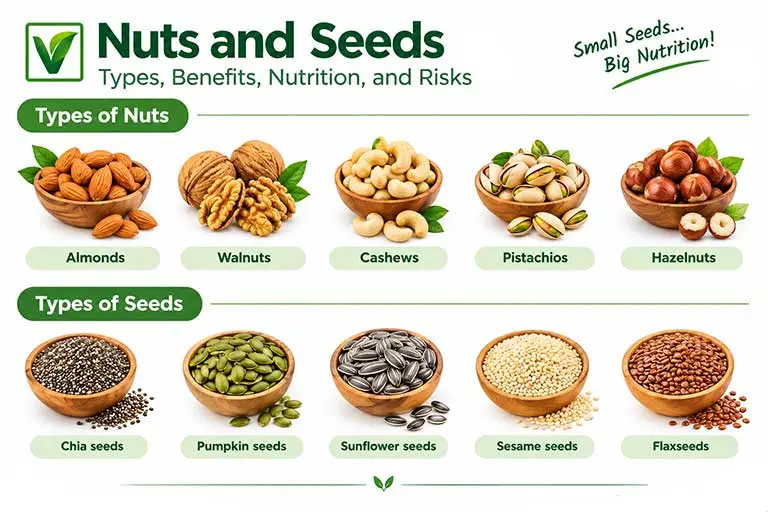
Edible seeds such as chia, flax, sesame, and pumpkin are particularly popular because they contain protein, fiber, healthy fats, vitamins, and minerals.
Are Seeds and Nuts the Same Thing?
No, seeds and nuts are not exactly the same. Seeds are plant reproductive parts, such as chia, flax, sunflower, and pumpkin seeds, while botanical nuts are a specific type of dry fruit. Almonds, cashews, and walnuts are commonly called nuts in everyday language, although they have different botanical classifications.
Different Types of Seeds
There are thousands of seed varieties worldwide. However, people commonly classify them into several groups:
- Edible seeds: Chia, pumpkin, sunflower, sesame, and flax seeds.
- Herb and spice seeds: Cumin, coriander, fennel, mustard, and anise.
- Fruit seeds: Apple, papaya, grape, pear, and watermelon seeds.
- Oil seeds: Cotton, sunflower, flax, and sesame seeds.
- Garden seeds: Tomato, cucumber, basil, radish, and clover seeds.
- Grain-like seeds: Quinoa, buckwheat, and amaranth.
Each category offers different uses, nutritional properties, and growing characteristics.
Name/List of Seeds:
Here is a list/name of 50 different types of seeds, alphabetically ordered.
- Alfalfa Seeds: Commonly used for growing sprouts and animal fodder. Alfalfa sprouts add a fresh, crunchy texture to sandwiches and salads.
- Amaranth Seeds: Tiny, gluten-free seeds containing protein, fiber, and minerals. They can be cooked like porridge or popped for a crunchy topping.
- Anise Seeds: Aromatic seeds with a sweet, licorice-like flavor. They are popular in herbal teas, baked goods, and spice blends.
- Apple Seeds: Small brown seeds found inside apple cores. They contain naturally occurring amygdalin, so they should not be intentionally eaten or crushed.
- Baker Creek Seeds: A popular seed brand known for offering heirloom vegetable, flower, and herb seeds. These are primarily intended for gardening.
- Basil Seeds: Small black seeds that swell when soaked in water. They are commonly used in drinks and desserts.
- Buckwheat Seeds (Groats): Gluten-free, grain-like seeds used in porridge, noodles, and flour. They provide fiber and plant protein.
- Cantaloupe Seeds: Seeds from cantaloupe melons. They can be cleaned, dried, and roasted for a crunchy snack.
- Caraway Seeds: Aromatic seeds used in rye bread, soups, and traditional European cooking.
- Celery Seeds: Small seeds with a strong celery-like flavor. They are useful in pickles, seasoning blends, and soups.
- Chia Seeds: Nutrient-rich seeds known for their fiber, plant-based omega-3 fats, and ability to absorb liquid. They work well in smoothies and puddings.
- Clover Seeds: Commonly planted as cover crops, pasture plants, and lawn alternatives. Clover also supports pollinators.
- Cocoa Beans (Cacao Seeds): Seeds inside cacao pods. They are processed to produce cocoa powder, cocoa butter, and chocolate.
- Coffee Beans (Coffee Seeds): Seeds of coffee cherries. Roasting and grinding them produces the coffee used in popular beverages.
- Coriander Seeds: Dried seeds from the coriander plant. They have a warm, citrus-like flavor and are widely used in Asian and Middle Eastern dishes.
- Cotton Seeds: Agricultural seeds used to grow cotton. They also provide cottonseed oil and animal feed ingredients after appropriate processing.
- Cucumber Seeds: Flat, oval seeds found inside cucumbers. They are important for growing cucumber plants.
- Cumin Seeds: Popular spice seeds with an earthy, warm flavor. They are frequently used in curries, soups, and vegetable dishes.
- Dill Seeds: Aromatic seeds used in pickling, bread, and spice mixtures. They have a slightly bitter, tangy flavor.
- Fennel Seeds: Sweet, aromatic seeds commonly used in teas, curries, and traditional cooking.
- Fenugreek Seeds: Golden-brown seeds with a slightly bitter taste. They are popular in South Asian cuisine and spice blends.
- Flax Seeds: Also called linseeds, these provide fiber, lignans, and plant-based omega-3 fatty acids. Ground flaxseed is easy to add to oatmeal and baking recipes.
- Grape Seeds: Small seeds inside certain grape varieties. They are also processed to produce grape seed extract and oil.
- Hemp Seeds: Nutritious seeds containing plant protein, healthy fats, and minerals. Shelled hemp hearts are especially useful in vegan meals.
- Job’s Tears: Also known as coix seeds, these grain-like seeds are used in traditional Asian foods and soups.
- Lotus Seeds: Seeds from the lotus plant, commonly eaten roasted, dried, or cooked in Asian desserts and soups.
- Minecraft Seeds: Special codes used in the Minecraft video game to generate particular virtual worlds. They are not actual botanical seeds.
- Moringa Seeds: Seeds from the moringa tree. They are used in some food and agricultural applications and can also produce moringa oil.
- Muskmelon Seeds: Seeds collected from muskmelon fruits. They can be dried and roasted or used in traditional desserts.
- Mustard Cress Seeds: Tiny seeds grown into peppery microgreens. Their leaves are often added to sandwiches and salads.
- Mustard Seeds: Small yellow, brown, or black seeds used to prepare mustard, pickles, curries, and seasoning mixtures.
- Nigella Seeds (Kalonji): Black, aromatic seeds popular in South Asian and Middle Eastern cooking, especially on naan and savory breads.
- Papaya Seeds: Dark seeds found inside papaya fruits. They have a peppery taste and are sometimes used as a seasoning.
- Pear Seeds: Small brown seeds located inside pear cores. They are mainly relevant to fruit propagation rather than everyday cooking.
- Perilla Seeds: Seeds from the perilla plant, used in East Asian cooking and for producing perilla oil.
- Pomegranate Seeds: Juicy red seed coverings, technically called arils, that provide sweetness, tartness, and texture. They are excellent in salads and desserts.
- Poppy Seeds: Tiny seeds used in breads, pastries, and desserts. They add a mild nutty flavor and crunchy texture.
- Psyllium Seeds: Seeds of the Plantago ovata plant. Their husks are especially rich in soluble fiber and commonly used in fiber supplements.
- Pumpkin Seeds (Pepitas): Green edible kernels containing protein, magnesium, zinc, and healthy fats. They are delicious roasted or added to salads.
- Quinoa Seeds: Technically pseudocereal seeds, quinoa is naturally gluten-free and provides protein and fiber. It makes an excellent rice alternative.
- Radish Seeds: Seeds used to grow radishes and peppery radish sprouts. They are popular in vegetable gardening.
- Roasted Pumpkin Seeds: Pumpkin seed kernels heated with salt and spices to create a crunchy snack.
- Sacha Inchi Seeds: Seeds from a tropical Amazonian plant. They are known for their protein and omega-3 fat content.
- Sesame Seeds: Small white, black, or brown seeds used in tahini, breads, sauces, and Asian dishes.
- Sunflower Seeds: Seeds harvested from sunflower heads. They provide vitamin E, protein, and unsaturated fats.
- Tomato Seeds: Small seeds inside tomatoes. They are used for growing tomato plants and are also present in tomato-based foods.
- Water Lily Seeds: Seeds from aquatic flowering plants. Certain varieties are used as food and can be popped into crunchy snacks.
- Watermelon Seeds: Seeds found inside some watermelon varieties. They can be dried, roasted, and eaten as a snack.
- Benefits of Chia Seeds: Chia seeds are especially valued for their fiber, omega-3 fats, and ability to absorb water, making them useful in puddings and smoothies.
- Pumpkin Seeds Benefits: Pumpkin seeds provide protein, magnesium, zinc, and unsaturated fats that contribute to a nutritious diet.
Note: The list includes food seeds, planting seeds, brands, and search-related terms. Minecraft seeds and Baker Creek Seeds are not edible seed varieties. Chia and pumpkin seed benefits are discussed separately because they are benefits-related search terms rather than additional seed varieties.
Health Benefits of Seeds
Different types of seeds provide a combination of nutrients that support general health. Their benefits depend on the variety, portion size, and overall diet.
Below are some important benefits:
- Better digestion: Chia and flax seeds contain fiber that supports regular bowel movements.
- Plant-based protein: Hemp, pumpkin, and sunflower seeds help increase daily protein intake.
- Healthy fats: Flax and chia seeds provide alpha-linolenic acid (ALA), a plant-based omega-3 fatty acid.
- Mineral support: Pumpkin and sesame seeds provide minerals such as magnesium, zinc, and calcium.
- Antioxidant nutrients: Sunflower seeds contain vitamin E, which helps protect cells from oxidative damage.
- Dietary variety: Adding seeds to meals provides different nutrients, flavors, and textures.
Note: Seeds are nutritious foods, but no single variety can replace a balanced diet.
Risks/Side Effects of Seeds
Although seeds offer many nutritional benefits, some people may experience unwanted effects.
Common considerations include:
- Digestive discomfort: Eating large amounts of fiber-rich seeds suddenly may cause bloating, gas, or constipation.
- Allergic reactions: Sesame and other seeds can trigger food allergies in sensitive individuals.
- Calorie intake: Seeds contain concentrated energy, so large portions can increase daily calorie consumption.
- Choking concerns: Dry chia seeds expand after absorbing liquid. Avoid swallowing large spoonfuls dry, particularly if you have swallowing difficulties.
- Food safety: Improperly stored seeds can become rancid or contaminated.
- Special precautions: Certain seeds, including apple seeds, are not suitable for intentional consumption.
Note: Start with small portions, drink enough water, and choose clean, properly stored products.
Seeds and Your Heart
Seeds can support heart-conscious eating patterns because many varieties contain unsaturated fats, fiber, and plant compounds.
Flax and chia seeds provide ALA omega-3 fatty acids, while pumpkin and sunflower seeds contain other unsaturated fats.
Replacing some foods rich in saturated fat with foods containing unsaturated fats can help improve overall dietary fat quality.
For a heart-friendly diet, add ground flaxseed to oatmeal, sprinkle chia seeds over fruit, or use unsalted pumpkin seeds in salads.
Seeds complement a healthy lifestyle but do not replace medical treatment for heart conditions.
Seeds Healthy Nutrients Table
The following table compares six popular edible seeds for a typical one ounce (28.35g). Values are approximate and can change depending on variety, preparation, and whether seeds are hulled or roasted.
| Seed | Calories (Approx.) | Protein (Approx.) | Key Benefits |
|---|---|---|---|
| Chia seeds | 138 kcal | 4.7 g | Fiber and omega-3 |
| Flax seeds | 150–155 kcal | 5.1 g | Fiber and ALA omega-3 |
| Hemp seeds | 157 kcal | 9.0 g | Plant protein and healthy fats |
| Pumpkin seeds | 158 kcal | 8.6 g | Magnesium and zinc |
| Sesame seeds | 160 kcal | 4.8 g | Calcium and healthy fats |
| Sunflower seeds | 165 kcal | 5.5 g | Vitamin E and unsaturated fats |
Source basis: USDA-derived food composition values and published nutritional comparisons. Figures are rounded for easy reading.
How to Store Seeds?
Proper storage helps maintain the freshness, flavor, and quality of seeds.
Follow these simple tips:
- Store dry seeds in airtight containers.
- Keep containers away from direct sunlight and heat.
- Use a cool, dry cupboard for most unopened or frequently used seeds.
- Refrigerate or freeze seeds rich in oils, such as flax and hemp, to slow rancidity.
- Label containers with purchase or opening dates.
- Discard seeds that smell unpleasant, taste bitter or stale, or show signs of mold.
Whole seeds generally retain their quality longer than ground seeds.
Soaking of Seeds
Soaking involves placing seeds in water for a certain period before eating or cooking them.
Some seeds, particularly chia and basil seeds, absorb water and develop a gel-like coating.
Soaking can make certain seeds easier to incorporate into recipes. It also helps soften their texture.
For example, mix one tablespoon of chia seeds with approximately three tablespoons of water and allow the mixture to thicken before using it in pudding or baking.
Always use clean water and refrigerate soaked seeds if you are not consuming them immediately. Not every seed needs soaking before use.
Seed Oils
Seed oils are vegetable oils extracted from different types of seeds. They are widely used in cooking, food manufacturing, and cosmetics.
Popular examples include:
- Sunflower oil: Commonly used for frying and everyday cooking.
- Sesame oil: Adds a distinctive nutty flavor to Asian dishes.
- Flaxseed oil: A plant-based source of ALA omega-3 fats, generally better suited to cold dishes.
- Cottonseed oil: Used in commercial food production.
- Grape seed oil: A mild-flavored oil used in cooking and dressings.
Seed oils differ in their fatty acid composition and heat stability. Choose oils according to their intended use, and avoid repeatedly overheating or reusing cooking oil.
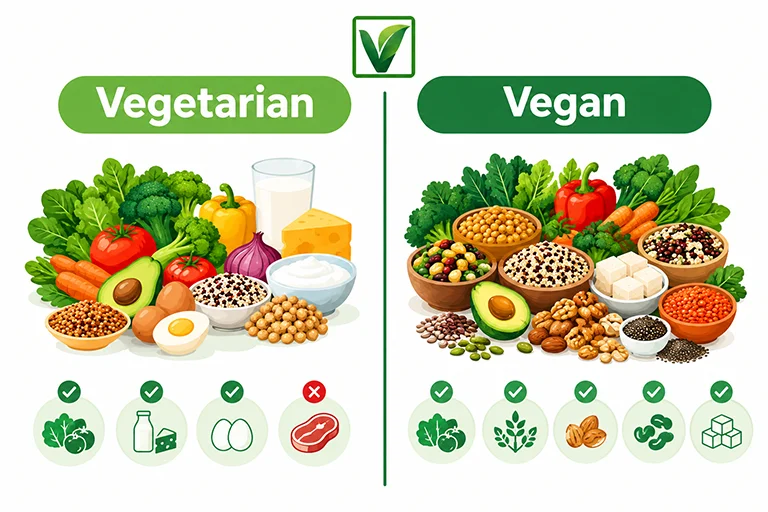
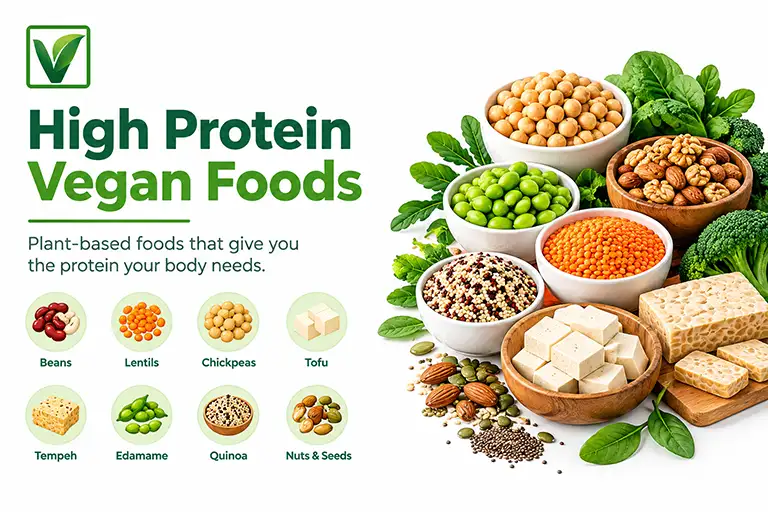
Are Seeds Best for a Vegan Diet?
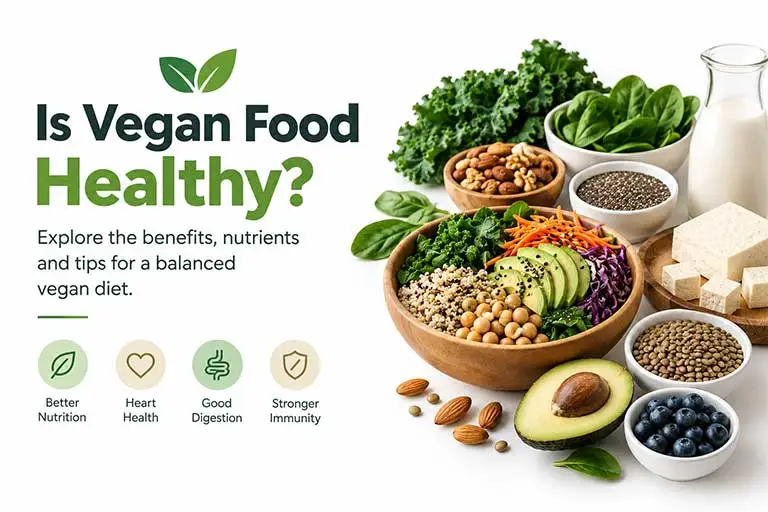
Seeds are excellent additions to a vegan diet because they provide plant-based protein, healthy fats, fiber, and essential minerals.
Hemp seeds, pumpkin seeds, and sesame seeds are particularly useful for adding nutrients to meals.
Here are some easy ways to include them:
- Add chia seeds to overnight oats.
- Sprinkle hemp hearts over vegan salads.
- Use tahini made from sesame seeds in sauces.
- Mix ground flaxseed into vegan baking recipes.
- Enjoy roasted pumpkin and sunflower seeds as snacks.
Seeds can help improve dietary variety, but vegans should also include legumes, whole grains, vegetables, fruits, and appropriately fortified foods.
How to Choose the Right Seed for Cooking?
Choosing the right seed depends on your recipe, flavor preferences, and nutritional goals.
Consider these examples:
- For smoothies: Choose chia, flax, or hemp seeds.
- For baking: Use poppy, sesame, or sunflower seeds.
- For salads: Add pumpkin, sunflower, or pomegranate seeds.
- For curries: Use cumin, coriander, fennel, or mustard seeds.
- For vegan protein: Try hemp and pumpkin seeds.
- For fiber: Choose chia, ground flaxseed, or psyllium husk.
Always buy food-grade seeds from reliable suppliers. Avoid using seeds sold exclusively for planting, as they may have chemical treatments unsuitable for eating.
Best Seeds Recipes
You do not need complicated recipes to enjoy different kinds of seeds. Here are three simple ideas.
1. Healthy Chia Seed Pudding
Ingredients:
- 2 tablespoons chia seeds
- ½ cup plant-based milk
- 1 teaspoon maple syrup
- Fresh fruit
Instructions:
Combine chia seeds, plant milk, and maple syrup in a bowl. Stir well and refrigerate for at least two hours or overnight. Add fresh fruit before serving.
2. Roasted Pumpkin and Sunflower Seeds
Ingredients:
- ½ cup pumpkin seeds
- ½ cup sunflower seeds
- 1 teaspoon olive oil
- A pinch of salt
- Your favorite spices
Instructions:
Mix the seeds with olive oil, salt, and spices. Spread them on a baking tray and roast at 160°C (320°F) for approximately 10–15 minutes, stirring occasionally. Allow them to cool before serving.
3. Vegan Seed Salad
Ingredients:
- 2 cups mixed leafy greens
- 1 tablespoon pumpkin seeds
- 1 tablespoon sunflower seeds
- 1 tablespoon pomegranate arils
- 1 tablespoon lemon juice
- 1 teaspoon olive oil
Instructions:
Place the leafy greens in a bowl. Add pumpkin seeds, sunflower seeds, and pomegranate arils. Mix lemon juice with olive oil, drizzle over the salad, and serve fresh.
Final Thoughts
Exploring different types of seeds is a simple way to add variety and nutrition to your everyday meals. From chia and flax to pumpkin, sesame, and sunflower seeds, each variety offers different flavors, textures, and nutritional properties.
Some seeds are ideal for cooking, others are useful for gardening, and many provide valuable plant-based nutrients. Choose food-grade varieties, store them correctly, and enjoy them in moderate portions.
Whether you want to improve your vegan meals, experiment with new recipes, or discover nutritious ingredients, including a variety of seeds in a balanced diet is a practical place to start.